Over the past 15 years, the global pharmaceutical market has experienced remarkable growth, driven by scientific innovation, demographic changes, and evolving healthcare demands. This expansion has been largely fueled by the increasing prevalence of chronic diseases such as diabetes, cardiovascular disorders, and cancer, alongside an aging global population that has heightened the demand for prescription drugs. North America, particularly the United States, has remained the dominant market, accounting for nearly 45% of global pharmaceutical sales, while Europe has held its position as the second-largest region. However, the Asia-Pacific region has emerged as the fastest-growing market, with China and India playing pivotal roles in drug manufacturing and consumption. A major shift in the industry has been the rise of biopharmaceuticals, including monoclonal antibodies, mRNA therapies, and gene-editing technologies, which have driven innovation and changed the landscape of drug development. The integration of artificial intelligence, big data analytics, and digital tools has further accelerated drug discovery, clinical trials, and personalized medicine, making pharmaceutical development more efficient. However, challenges persist, particularly in the form of increasing regulatory scrutiny and pricing pressures.
Governments worldwide have imposed stricter oversight on drug approvals and pricing policies, especially in the United States, where concerns over affordability have led to policy changes. Industry has also faced revenue losses due to major patent expirations, often referred to as the “patent cliff,” which has intensified competition among both established companies and generic drug manufacturers. Looking ahead, the future of the pharmaceutical industry appears to be shaped by precision medicine, AI-driven drug discovery, and the expansion of market access in low-income regions.
Last year, the FDA approved a total of 46 new molecular entities (NMEs), a number slightly above the ten-year average (Figure 1).
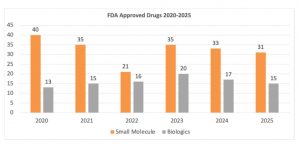
Figure 1. FDA approved drugs from 2020 to 2025.
Cancer remained the dominant area of innovation, with 16 new oncology drugs approved, accounting for 34% of all approvals. Other notable therapeutic areas included dermatology and non-malignant hematology, receiving a total of six approvals, while cardiology followed with 5 new agents. However, fewer neurology and infectious disease treatments were approved compared to previous years. Among the new approvals, 67% were small molecules, while biologics comprised 33% of approvals.
The following scheme presents the chemical structures of the 31 small-molecule drugs approved by the U.S. FDA in 2025. Together, these approvals reflect the continued expansion of the global pharmaceutical market—driven by rising chronic disease burden, an aging population, rapid advances in drug discovery (including AI-enabled development), and increasingly complex regulatory and access dynamics that shape how new therapies reach patients.
In 2026, this column will go beyond the headlines to unpack the synthetic chemistry enabling each newly approved drug. Readers can expect concise, chemistry-first insights into how these molecules are built—highlighting key bond-forming steps, strategic disconnections, catalysts and reagents of note, stereochemical challenges, scalability considerations, and what each route signals about broader trends in modern pharmaceutical process development throughout the 2026 approval year.
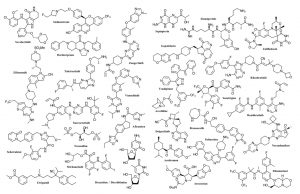
Figure 2. Small molecules approved by the FDA in 2025.

Sustainable Medicines Manufacturing

2026 predictions: what are the operational priorities for late-stage p...

What does agentic AI mean for pharma operations?

Angelini Pharma – High-Potent API: strategy and legacy

Accelerating the bioconjugate CMC journey from early discovery to the...

From digital islands to integrated ecosystems: Envisioning the future...

Lyophilization in Sterile Pharmaceutical Manufacturing: Regulatory Per...

Scope 3 and the chemical industry: a challenge with solutions