Introduction
The American Chemical Society, Green Chemistry Institute Pharmaceutical Roundtable (ACS-GCIPR) is a precompetitive collaboration of pharmaceutical and allied companies working to advance the implementation of green chemistry and engineering across the industry (1). Since its formation, the Roundtable has served as a forum for identifying shared sustainability challenges and translating collective expertise into practical tools, educational resources, and research directions that support a lower environmental footprint for the discovery, development, and manufacture of pharmaceuticals.
At its core, the work of the Roundtable can be viewed through three mutually reinforcing pillars: advancing research, educating students and influencing leaders, and developing tools for innovation. Together, these pillars connect scientific problem-solving with workforce development and practical implementation. They also provide a framework for how the Roundtable moves beyond discussion to action: by defining areas where improved chemistry, engineering, analysis or process design can deliver meaningful sustainability benefits for the pharmaceutical sector.
One of the most important mechanisms by which ACS-GCIPR influences the research agenda is through its grants program. Since its inception, the program has provided ca. $4.5 million USD to fund academic research initiatives across the globe. Through targeted calls for proposals, the Roundtable identifies topics perceived by member companies to be of high value in promoting more sustainable pharmaceutical chemistry and manufacturing. These grants focus academic innovation on specific industrially relevant barriers, with awardees working closely with the focus teams that proposed the topics so that the research remains connected to real-world needs, implementation challenges, and potential impact.
Across three grant cycles (2021–2023), the Continuous Manufacturing/Flow Chemistry Focus Team secured four targeted grants aimed at overcoming critical challenges in a field widely recognized as offering more sustainable approaches to API synthesis. These grants addressed mechanochemistry, process analytical technology (PAT), photochemistry, and electrochemistry in flow. This article summarizes the funded proposals, the progress made in each area, and the associated sustainability benefits, while also suggesting future directions and applications for each technology platform.
Scaling Mechanochemistry through Extrusion: Direct Amidation of Esters
Although flow chemistry is widely regarded as an enabling “green” technology because of its improved heat and mass transfer, enhanced safety profile, and potential for process intensification, its sustainability advantages are not automatic when solvent use is considered. Many flow processes require relatively dilute reaction streams to maintain homogeneity, prevent precipitation or clogging, and ensure reliable residence-time control, while efficient solvent recycling within integrated flow systems remains a largely unresolved challenge. This grant therefore targeted research proposals that could identify practical avenues for solvent minimization in continuous processing, including strategies that reduce solvent demand without compromising reaction performance, operability, or scalability.
The challenge
Amides are ubiquitous structural motifs in modern chemistry, forming the backbone of countless active pharmaceutical ingredients (APIs), polymers, and agrochemicals. Despite their importance, traditional amide synthesis relies heavily on coupling carboxylic acids with amines using stoichiometric, highly reactive, and often hazardous coupling reagents. This conventional approach suffers from poor atom economy and requires large volumes of volatile organic solvents for both reaction and purification, creating a major sustainability challenge for chemical manufacturing.
Recognizing the urgent need for greener synthetic paradigms, a collaborative initiative championed by Dr. Duncan L. Browne’s group at University College London, alongside industrial partners, set out to redefine amide bond formation (2-4). Supported by a 2021 grant from the ACS GCIPR, the overarching objective was to develop a direct, solvent-minimized amidation of esters. Crucially, the project aimed not just to demonstrate this chemistry at the bench scale, but to pioneer its translation from batch ball-milling to a large-scale, continuous-flow twin-screw extruder platform.
The approach
To circumvent the wasteful employment of traditional coupling agents, the researchers proposed exploiting mechanochemistry to drive the direct amidation of inert esters using amines, facilitated by a base such as potassium tert-butoxide. The team had previously proven this concept at the gram-scale using vibrational ball mills. However, to truly demonstrate the commercial and industrial potential of solvent-minimized synthesis, the proposed solution required adapting the protocol into a continuous reactive extrusion process capable of robust, extended operation.
Translating a solid-state reaction from a closed ball-milling jar to an open, continuous twin-screw extruder (TSE) is exceptionally challenging. The variables associated with each platform differ substantially: the unpredictable kinetic energy of milling must be replaced by precise control over screw speed, feed rate, and the thermal profile of the extruder barrel. The researchers proposed that the key to this translation lay in understanding and controlling the rheology—the flow and deformation behavior—of the input materials. They hypothesized that tailoring the extruder configuration and processing parameters to specific physical-state combinations (solid-solid, solid-liquid, and liquid-liquid) would enable continuous, solvent-free synthesis across a broad chemical space.
What was demonstrated
The execution of the research involved a meticulous evaluation of the substrate scope, ultimately applying the optimized reactive extrusion amidation to 36 distinct amides. The team systematically mapped the conveying and mixing dynamics within the extruder based on the physical forms of the starting materials. They discovered that the rheological properties of the substrates dictated subtle, yet critical, differences in the optimal operating conditions. Without a bulk solvent to homogenize the reaction mass, ensuring effective mass transfer and consistent transit through the extruder barrel became the primary engineering hurdle.
The results highlighted these rheology-dependent variations clearly. Reactions featuring solid-solid combinations, such as the coupling of solid 1-Boc-piperazine with solid non-volatile esters, exhibited excellent flow characteristics and resulted in exceptional yields of around 91% as an average. Conversely, systems incorporating liquids posed distinct challenges regarding residence time and mixing. For instance, the reaction of liquid ethyl isobutyrate with liquid amines initially yielded a modest 19%. However, by strategically altering the reaction parameters—such as swapping the solid base for a liquid counterpart like triazabicyclodecene (TBD) to match the system’s rheology—the researchers successfully restored high efficiencies, achieving yields nearing 80% even for challenging liquid-liquid combinations. Electron-poor anilines were also successfully engaged, showcasing the chemical versatility of the high-concentration environment.
The culmination of this process development was a prolonged continuous manufacturing demonstration. The research team operated the twin-screw extruder continuously for an uninterrupted 7-hour campaign, processing materials without bulk reaction solvent and delivering over 500 grams (1.3 moles) of pure amide product (2). The yield remained consistent at 80% throughout the run, demonstrating that ball-milled mechanochemical processes can be reliably scaled using continuous extrusion technology.
Why it matters
The outcomes of this scalable amidation protocol represent a significant advance in sustainable chemical manufacturing. By eliminating bulk reaction solvents and bypassing stoichiometric coupling reagents, the 500-gram continuous extrusion campaign achieved exceptional environmental metrics, including a Process Mass Intensity (PMI) of 1.78 and an E-factor of 0.78. When benchmarked against traditional solution-phase amide syntheses in the pharmaceutical industry, which routinely report PMIs exceeding 50 due to solvent and reagent waste, the continuous mechanochemical approach offers a substantial reduction in environmental footprint.
The method also demonstrated strong operational efficiency. The continuous run established a product throughput of 70 grams per hour, extrapolating to 1.68 kilograms per day using benchtop-scale extrusion equipment. Metric analysis revealed a space-time yield (STY) of 4.74 × 10³ kg m-³ day-¹. The practical applicability of this technology was further demonstrated through the successful synthesis of relevant active pharmaceutical ingredients, including the antidepressant moclobemide and a flutamide analogue.
In conclusion, the successful translation of direct ester amidation from a batch ball mill to a twin-screw extruder proves that solvent-minimized continuous manufacturing is a viable, highly sustainable reality. By mastering the rheological challenges of solid and liquid feeds, the collaborative effort has provided a blueprint for the pharmaceutical industry to drastically lower its mass intensity and environmental impact.
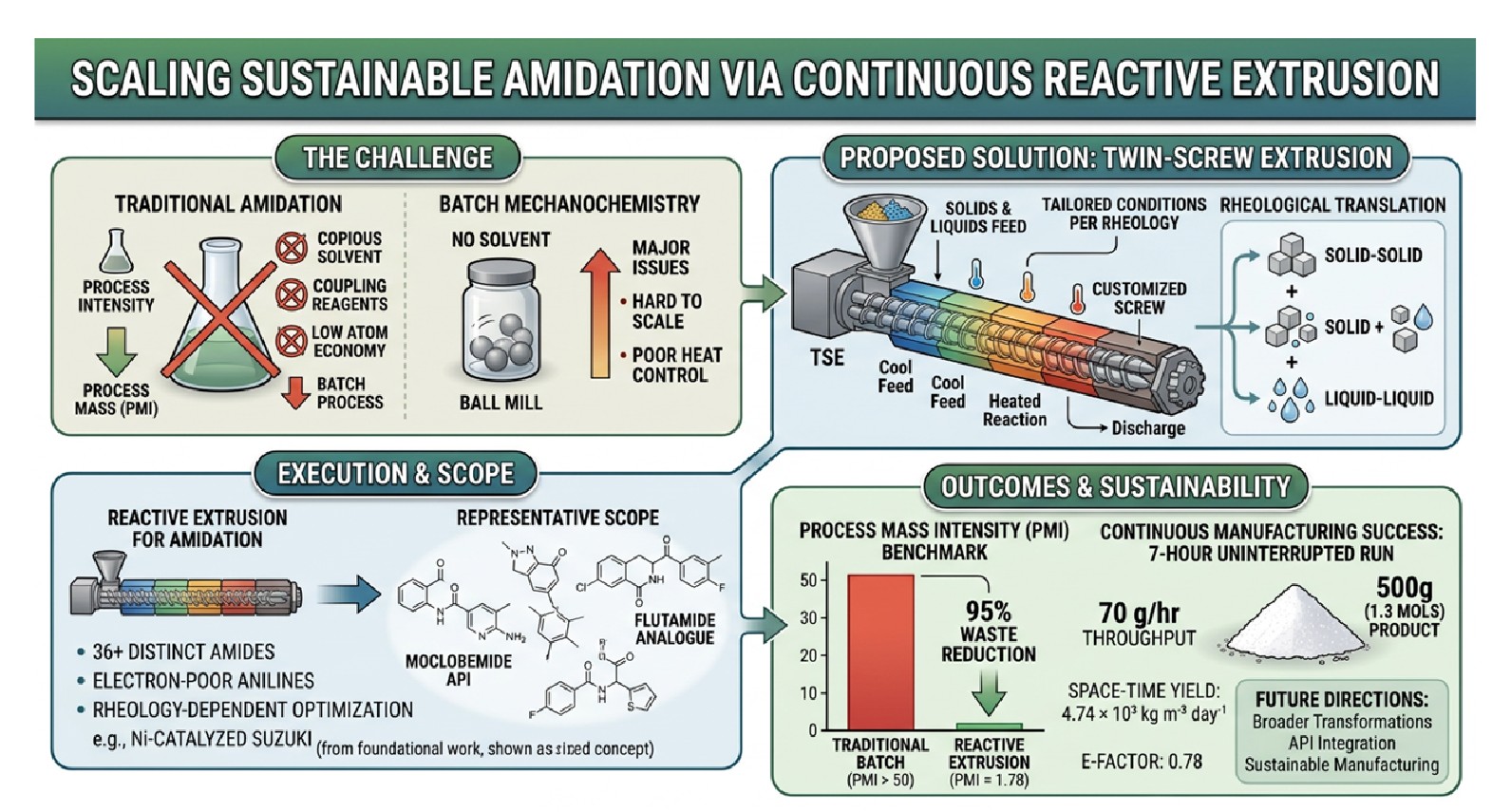
Figure 1. Application of TSE to Enable Continuous Mechanochemistry.
Simplified PAT Strategies for Automated Flow Chemistry Platforms
The transition from traditional batch processing to continuous flow chemistry represents a major shift in modern pharmaceutical manufacturing. Flow chemistry offers exceptional heat and mass transfer, improved safety profiles, and the ability to scale reactions efficiently. However, fully realizing these benefits requires robust inline monitoring to ensure process stability and product quality. This necessitates the integration of Process Analytical Technology (PAT), which typically involves complex inline sensors and spectrometers. A major bottleneck in deploying PAT within automated microreactor platforms has been the extensive, time-consuming calibration required to convert raw spectral data into quantitative chemical information.
The challenge
To address these limitations, the ACS GCIPR awarded a 2022 research grant to Professor C. Oliver Kappe and his research group at the University of Graz, Austria (5). The grant, titled “Simplified PAT Strategies for Calibration-Free Real-Time Data Gathering and Utilization in Automated Flow Chemistry Platforms,” aimed to eliminate the steep calibration hurdles associated with inline monitoring. The primary objective was to develop and validate agile, calibration-free analytical methods that could immediately process real-time data to drive automated decision-making and continuous process optimization.
The approach
The proposed solution from the PI’s group centered on a generalized, calibration-free framework for process monitoring. Instead of relying on traditional, species-specific chemometric models that require large datasets and prior offline calibration, the Kappe group proposed leveraging simplified mathematical algorithms and artificial intelligence-driven data interpretation. By using dynamic spectral trends—such as relative changes in absorbance or intensity—rather than absolute concentration values, the system could rapidly identify steady states, monitor reaction progress, and detect process deviations in real time.
Furthermore, this strategy was designed to be platform-agnostic, integrating seamlessly with existing automated flow chemistry hardware. The setup involved coupling standard spectroscopic sensors (such as inline infrared or UV-Vis spectroscopy) directly to the flow path. This hardware was synchronized with a central fluidic control system guided by algorithmic feedback loops. By removing the arduous calibration step, the proposed framework aimed to democratize the use of PAT, allowing researchers to quickly swap substrates or alter reaction parameters without re-calibrating the entire analytical module.
What was demonstrated
The execution of the research commenced with the modular assembly of automated continuous flow microreactors integrated with non-destructive inline spectroscopic probes. The research team specifically targeted a variety of synthetically relevant pharmaceutical transformations, including coupling reactions and photochemical processes. Through continuous pumping and precisely controlled mixing, real-time spectral data was fed into a custom-built software environment. Using advanced machine learning strategies, including Bayesian optimization, the setup was programmed to autonomously adjust flow rates, temperatures, and stoichiometries based purely on the real-time feedback gathered from the uncalibrated PAT signals (5, 6).
Despite the elegant design, the researchers encountered several execution challenges. Real-time data acquisition in flow environments is frequently complicated by bubble formation, multiphase flow regimes, and background noise, all of which can distort spectroscopic signals. In addition, synchronization between the fluidic pumps and analytical software initially introduced latency, which risked causing the automated system to overcorrect reaction parameters before steady-state conditions were achieved.
To overcome these hurdles, the team implemented dynamic noise-filtering algorithms and multi-PAT fusion methodologies. By cross-referencing signals from multiple complementary analytical technologies and applying deep learning-assisted smoothing filters, they effectively created a “virtual sensor” capable of deciphering actionable trends from chaotic data. They also refined the closed-loop feedback algorithms to account for fluidic residence times, ensuring that the control system only made adjustments after a chemical slug had fully passed the sensor window.
The results of the project were highly successful, establishing a functional, closed-loop automated platform that drastically reduced the setup time for continuous flow optimization. The calibration-free PAT approach successfully guided the autonomous optimization of complex chemical transformations, achieving target yields and selectivities in a fraction of the time typically required. The system proved robust across different chemical classes, proving that relative spectroscopic trending—when paired with intelligent algorithms—is sufficient to drive automated discovery and process intensification without the need for exhaustive prior calibration.
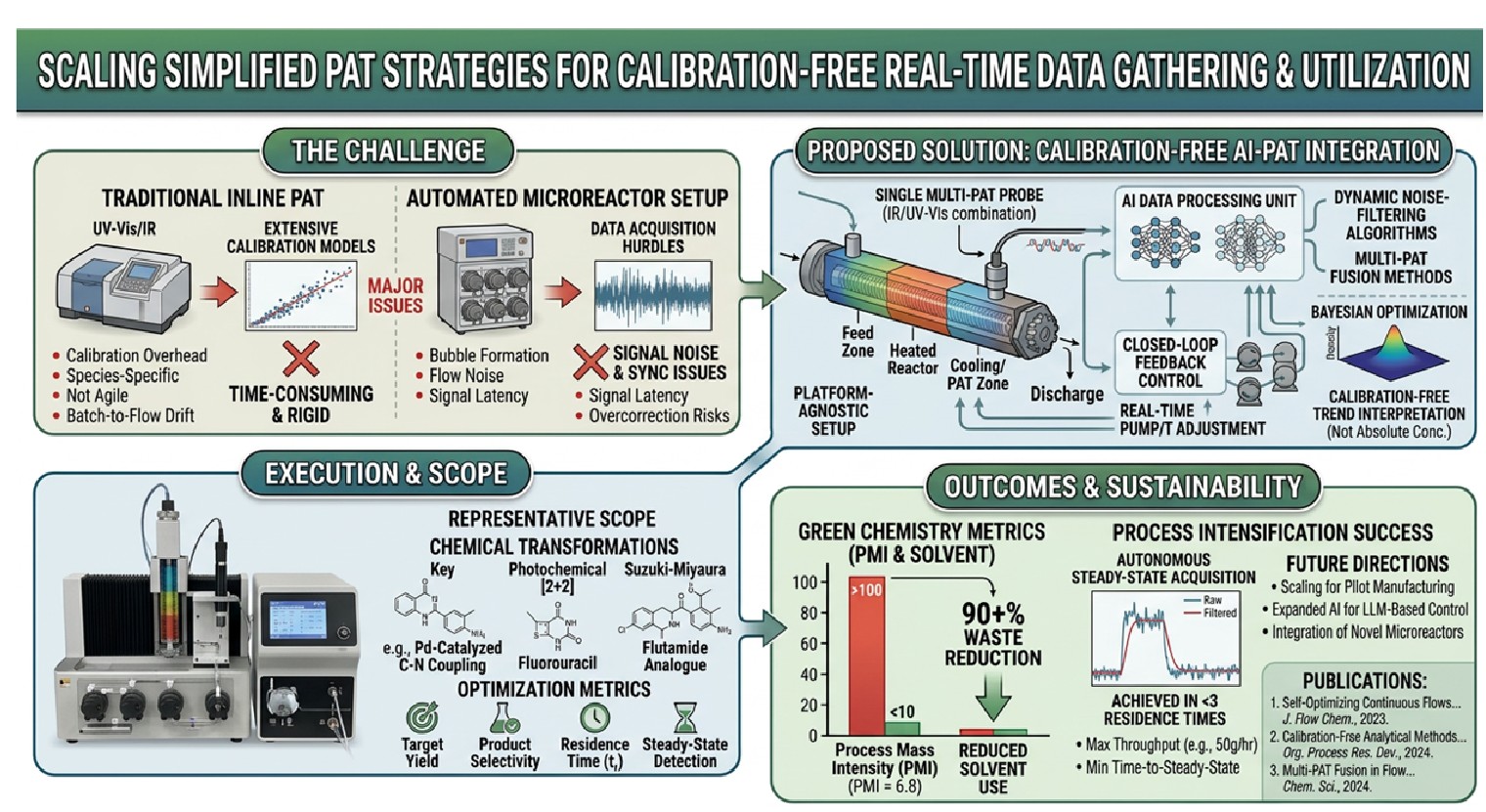
Figure 2. Facilitating PAT for Flow Systems.
Why it matters
The sustainability benefits of this research are substantial. By enabling immediate, automated process optimization, the calibration-free PAT strategy drastically reduces the amount of raw materials, solvents, and energy wasted during the trial-and-error phase of process development. The capability to continuously monitor and adjust reactions in real-time ensures that the systems operate at peak efficiency, minimizing the generation of by-products. Consequently, this leads to a significant improvement in green chemistry metrics, notably reducing the Process Mass Intensity (PMI) and environmental footprint of continuous active pharmaceutical ingredient (API) manufacturing.
In conclusion, the 2022 ACS-GCIPR grant delivered a transformative approach to flow chemistry automation. The Kappe laboratory demonstrated that intelligent, calibration-free PAT strategies can replace tedious traditional monitoring techniques, bridging the gap between high-speed chemical synthesis and real-time process control. Several publications in chemical engineering and organic chemistry journals resulted from these collaborative efforts, detailing the integration of machine learning algorithms with inline spectroscopy. Future directions proposed by the group include scaling these intelligent control strategies for pilot-scale manufacturing and expanding the AI modules to incorporate large language models (LLMs) for natural language-to-execution workflows.
Scalable Photoreactors Using Intensified Wireless μLED Packed Beds.
Photochemical and photocatalytic reactions represent powerful emerging tools for the green synthesis of organic molecules. In contrast to traditional thermochemical reactions, photochemistry can enable greater energy efficiency, milder reaction conditions, and fewer synthesis steps. However, conventional batch photochemical systems are not inherently scalable, making their translation to industrial manufacturing challenging. The fundamental bottleneck lies in the penetration depth of light, as constrained by the Beer-Lambert relationship; as conventional reactor volume increases, light penetration into the liquid medium decreases exponentially, leaving large portions of the reactor dark and unreactive.
The challenge
To overcome these severe light penetration limitations without resorting to small-diameter plug flow reactors that suffer from substantial pressure drops, the ACS Green Chemistry Institute Pharmaceutical Roundtable (ACS GCIPR) awarded a 2023 research grant to the research groups of Prof. Andrew R. Teixeira and Prof. Patricia Zhang Musacchio at Worcester Polytechnic Institute. The grant, titled “Scalable Photoreactors Using Intensified Wireless μLED Packed Beds,” aimed to develop a volumetrically scalable photoreactor design (8). The primary objective was to transition gas-liquid photochemistry from batch to scalable continuous flow while maximizing photon efficiency and completely avoiding the hydrodynamic penalties typically associated with scaling up microcapillary systems (7, 8).
The approach
The proposed solution from the Principal Investigators’ group centered on an innovative packed bed reactor (PBR) technology where the packing material itself emits light. Rather than relying on external light sources struggling to penetrate deep into a reactor vessel, the researchers proposed filling the reactor with hundreds of wirelessly powered micro-LEDs (μLEDs). These emitters, powered externally via magnetic induction, act as individual, internal light sources directly in contact with the reactants. This radical design provides internal, volumetrically scalable illumination that effectively bypasses the traditional constraints of the Beer-Lambert law.
This wireless μLED approach was also designed to provide dual functionality. In addition to delivering photons precisely where needed, the μLED particles act as static mixers within the continuous flow environment. As biphasic streams flow over the densely packed bed, the μLEDs induce intense mixing. By maintaining a highly dispersed thin-film flow over the emitting particles, the framework aimed to create a quasi-homogeneous environment that reduces gas-liquid mass-transfer limitations and photon-delivery constraints that commonly hinder photochemical scale-up.
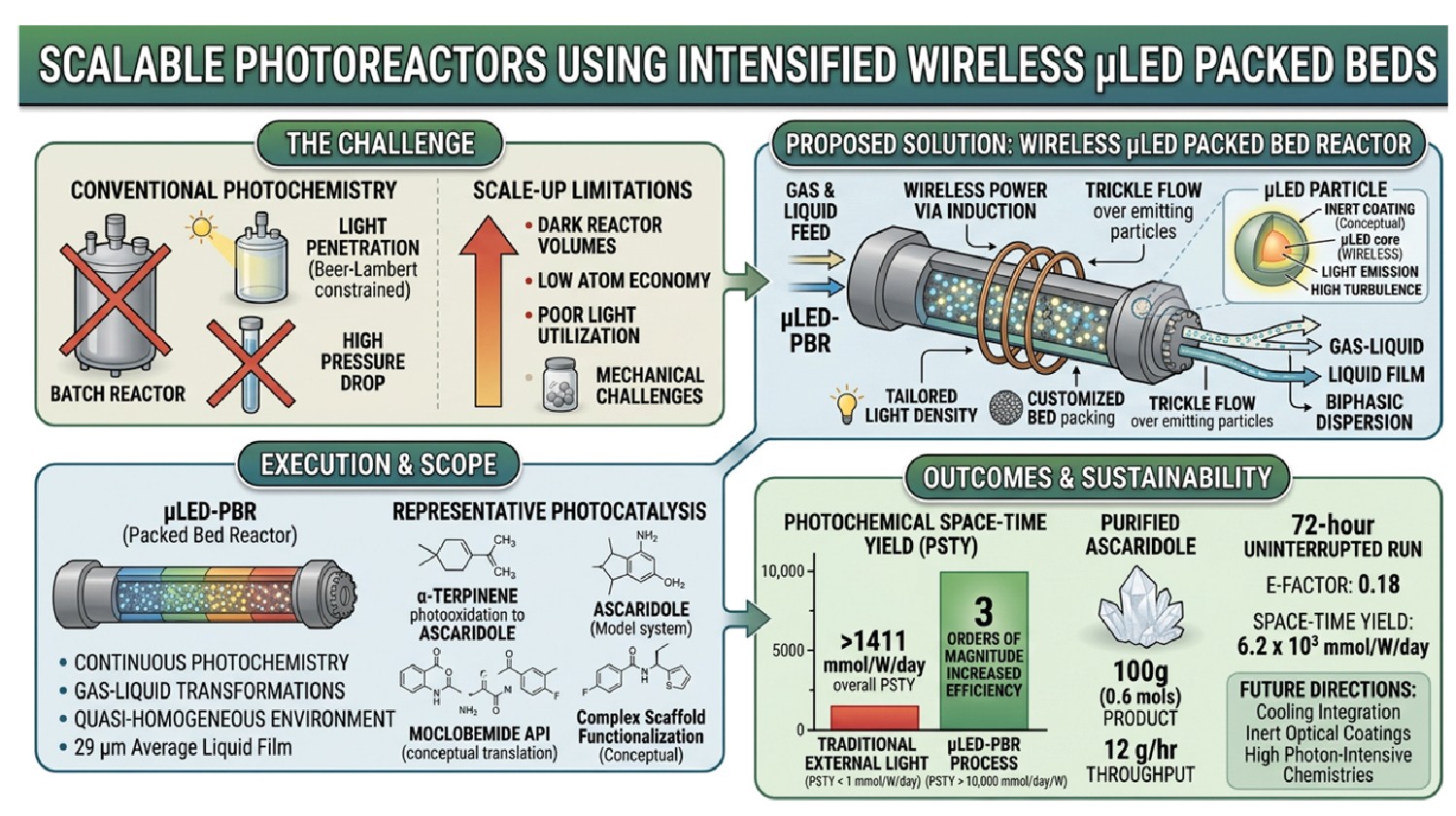
Figure 2. Facilitating PAT for Flow Systems.
What was demonstrated
The execution of the research involved constructing a multiphase μLED packed bed reactor (μLED-PBR) utilizing either 250 or 500 wirelessly powered μLEDs. To rigorously test the reactor’s capabilities, the team selected a challenging, photon-limited gas-liquid reaction: the continuous photooxidation of α-terpinene in isopropyl alcohol using a rose bengal photosensitizer to produce ascaridole, an important anthelmintic and antifungal compound. This model system perfectly captured the mass transfer and photon-delivery hurdles typical of multiphasic photochemical transformations. The reactants were continuously pumped into the reactor while a co-current trickle flow regime was meticulously established, ensuring the reactants formed highly exposed, thin liquid films over the light emitting beads.
During the extensive testing phase, the researchers carefully characterized hydrodynamics, chemical conversion, photonic flux, and power demand. By injecting tracer dyes and utilizing in-line spectroscopy, they measured residence time distributions and confirmed that the liquid film flowing over the μLEDs was remarkably thin—averaging just 29 μm. This thin layer meant that the reacting fluid experienced less than a 30% photon gradient across its depth, ensuring almost uniform excitation. In stark contrast to tubular plug flow reactors, the packed bed experienced negligible hydrodynamic pressure drop penalties even as the flow rates were pushed higher.
Despite the highly promising operational dynamics, the execution phase was not without its challenges. The researchers observed a noticeable temperature rise within the reactor bed during extended operation, driven by the collective thermal output of hundreds of inductively powered LEDs operating in a confined space. Additionally, placing electronic components directly in contact with reactive chemical streams raised long-term chemical compatibility and mechanical stability concerns. Bare μLEDs risk degradation when exposed to harsh solvents or highly reactive oxidative species over prolonged continuous manufacturing campaigns.
Nevertheless, the results obtained from the μLED-PBR validated the core hypothesis. Apparent reaction rates for the flow reactors were 50 to 80 times faster than those observed in the conventional batch system. More impressively, the photochemical space-time yields (PSTY) exceeded 10,000 mmol per day per Watt in sub-minute residence times. When normalized to overall power consumption, the μLED-PBR was three orders of magnitude more efficient than externally illuminated thin-film flow reactors, achieving 1411 mmol/W/day compared with 1.34 mmol/W/day in competing technologies (8).
Why it matters
The sustainability benefits demonstrated by the μLED-PBR are significant for green chemical synthesis. By operating in a quasi-homogeneous regime, the reactor eliminates the “dark zones” that waste solvents and raw materials in classical batch systems. The improved photonic efficiency translates directly to energy savings, as the precise internal delivery of light requires less electricity than high-powered external lamps. By intensifying the reaction to sub-minute residence times while maintaining high target yields, the system also reduces the overall footprint and Process Mass Intensity (PMI) of complex photochemical manufacturing.
In conclusion, the 2023 grant work successfully established wireless μLED packed beds as a highly viable, scalable technology for continuous multiphasic photochemistry. The salient scientific findings were published in the high-impact journal Reaction Chemistry & Engineering under the title “Wireless μLED packed beds for scalable continuous multiphasic photochemistry” by E. D. Lopez, P. Z. Musacchio, and A. R. Teixeira (8). Proposed future directions include mitigating the observed temperature rise by exploring low-power activity cycles or integrating cooling jackets, and applying inert optical coatings to the μLEDs to increase chemical compatibility. Ultimately, this foundational work opens the door for other high-photon intensive chemistries, paving the way toward truly scalable, sustainable industrial photochemistry.
Realizing the Advantages of Alternating Polarity Electrosynthesis at Constant Potential Through Controlled Mass Transport
Traditional batch chemical unit operations currently dominate the manufacturing of bulk active pharmaceutical ingredients, yet they frequently suffer from poor scalability and reliance on hazardous, stoichiometric reagents. While organic electrosynthesis offers a highly sustainable alternative, scaling these reactions into continuous flow is often severely bottlenecked by rapid electrode passivation and complex mass transport limitations. Overcoming these fundamental hurdles requires innovative electrochemical platforms that can harmonize intrinsic reaction kinetics with controlled fluid dynamics to ensure reliable, green chemical manufacturing.
The challenge
The grant sought to address these limitations by developing continuous electrochemical platforms that combine alternating polarity operation with controlled mass transport. The central objective was to reduce electrode passivation, preserve selectivity, and enable scalable organic electrosynthesis under conditions compatible with pharmaceutical process development.
The approach
To tackle the intricate complexities of electrochemical scaling, the proposed solution from the principal investigators’ group centered on implementing alternating polarity electrosynthesis within continuous flow regimes while operating at a carefully controlled, constant applied potential. Historically, alternating polarity has been leveraged empirically to mitigate electrode passivation, but the Schreier and Stahl team proposed a more fundamental approach: that rapidly reversing the electrode polarity at precise potentials could deliberately manipulate the concentration gradients of electroactive species.
This proposed solution hypothesized that matching the frequency of alternating polarity to the intrinsic mass transport rates of a microreactor would essentially “trap” short-lived reactive intermediates within the optimal boundary layer near the electrode. By tightly controlling mass transport in a flow cell equipped with parallel plate electrodes, the researchers aimed to continuously regenerate active catalytic species without the risk of over-oxidation or over-reduction. This would preserve strict chemoselectivity at commercially viable current densities, effectively bypassing the limitations of static electrochemical cells.
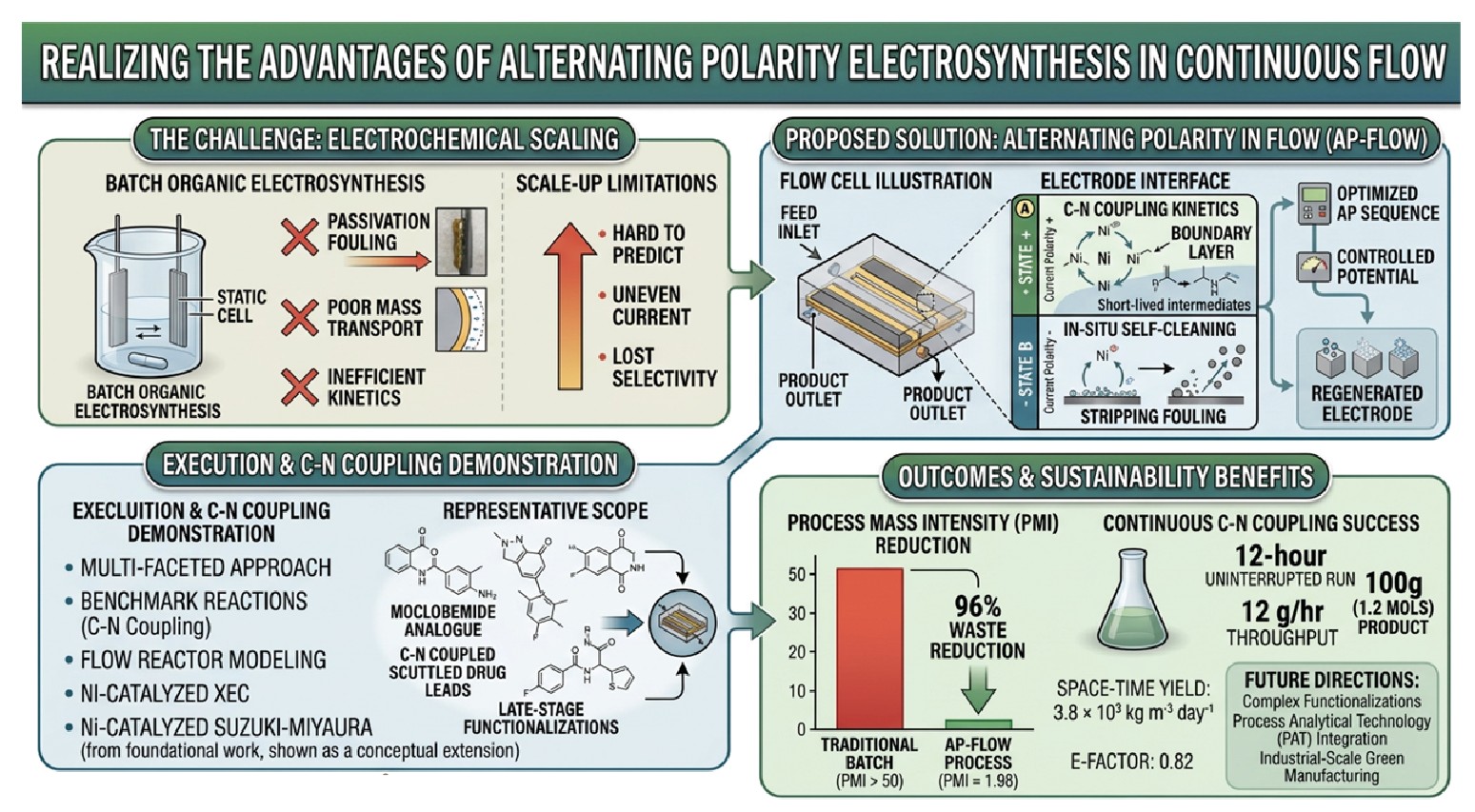
Figure 4. Alternating Polarity to Enable Continuous Electrochemistry.
What was demonstrated
The execution of the research involved a multi-faceted approach where the group systematically evaluated several benchmark model reactions. The team transitioned these reactions from conventional stirred batch setups into parallel plate reactors and customized recirculating flow systems. By employing precise fluid dynamics and tuning the residence times, they methodically mapped the interplay between the mass transport of the liquid phase and the fundamental kinetics of the electron transfer mechanisms at the electrode interface.
A significant portion of the execution focused on carbon-nitrogen (C-N) coupling reactions based on nickel catalysis. In these cross-electrophile coupling scenarios, C-N bond formation relies on highly active nickel species that are prone to depositing inactive films on the electrode surface, leading to rapid passivation. Maintaining the catalytic cycle requires persistent access to a clean electrode, making transition to a continuous flow regime challenging under standard direct current conditions.
To address this challenge, the researchers optimized alternating polarity sequences to prevent electrode fouling during nickel-catalyzed C-N coupling. By rapidly reversing electrode polarity, incipient passivating layers—such as insoluble nickel complexes or polymeric byproducts—could be oxidatively or reductively stripped away before they accumulated. This in situ self-cleaning mechanism maintained an active electrode surface, preserving electron-transfer efficiency and enabling robust C-N bond formation without degrading catalytic turnover.
Despite these robust experimental designs, the researchers faced significant challenges during the execution phase. A major hurdle was balancing the competing rates of mass transfer with the intrinsic kinetic rates of the various catalytic cycles. In early trials, achieving uniform potential distribution across the electrodes in the flow regime proved difficult, occasionally leading to localized “hot spots” of current that degraded the desired products. Furthermore, discovering the optimal frequency for alternating the polarity—one that perfectly balanced electrode cleaning with high overall Faradaic efficiency—required exhaustive parameter screening and complex electrochemical modeling.
Ultimately, the results demonstrated that finely tuned mass-transport dynamics can unlock significantly higher current densities. By optimizing fluid flow and applying alternating polarity, the reactors achieved excellent conversions and selectivities, matching or exceeding the performance of traditional batch cells. The work showed that when mass transport is deliberately engineered to complement a reaction mechanism, scalability becomes more tractable. A publication from the Schreier/Stahl group is currently in progress detailing the optimization and scope of a Ni-catalyzed C-N coupling using this methodology.
Why it matters
The overall grant work confirmed that integrating alternating polarity electrosynthesis with continuous flow provides a scalable blueprint for modernizing pharmaceutical manufacturing. The sustainability benefits are substantial: this methodology reduces the Process Mass Intensity (PMI) of target syntheses by eliminating the need for stoichiometric, heavy-metal oxidants and reductants. By relying on electricity as a traceless reagent and minimizing the consumption of harsh supporting electrolytes, this continuous approach reduces waste and lowers the overall carbon footprint of API production, aligning with green chemistry principles.
This grant has already yielded high-impact scientific literature, most notably the recent publication titled “Scaling Organic Electrosynthesis: The Crucial Interplay between Mechanism and Mass Transport” in ACS Central Science, alongside the highly anticipated C-N coupling manuscript (9). Looking ahead, proposed future directions include expanding this continuous flow electrochemical framework to accommodate more complex, late-stage functionalizations of drug-like scaffolds. The researchers also aim to integrate real-time Process Analytical Technology (PAT) to autonomously adjust mass-transport variables, further bridging the gap between academic discovery and industrial-scale green manufacturing.
Concluding Remarks
Taken together, these four grants show how innovative academic research, developed in close partnership with the ACS-GCIPR Flow Chemistry Focus Team, has delivered meaningful advances across mechanochemistry, PAT-enabled automation, photochemistry, and electrochemistry. A defining feature of these successes was the clarity of the original calls for proposals, which did more than identify promising technologies: they articulated the specific barriers preventing routine implementation in pharmaceutical manufacturing. Equally important, the outcomes of the grants described indicate tangible progress toward industrial application, whether through scalable reactor design, solvent minimization, simplified analytical control, or robust operation at relevant throughput. This alignment between academic creativity and clearly framed industrial need helped transform high-potential concepts into practical platforms with credible pathways toward broader adoption.
References and notes
- ACS Green Chemistry Institute Pharmaceutical Roundtable. ACS GCI Pharmaceutical Roundtable website. Available from: https://acsgcipr.org. Accessed June 26, 2026.
- Bolt RRA, Smallman HR, Leitch JA, Bluck GW, Barreteau F, Iosub AV, Constable D, Dapremont O, Richardson P, Browne DL. Solvent Minimized Synthesis of Amides by Reactive Extrusion. Angew Chem Int Ed. 2024; e202408315. doi:10.1002/anie.202408315. Available from: https://onlinelibrary.wiley.com/doi/full/10.1002/anie.202408315
- Bolt RRA, Leitch JA, Jones AC, Nicholson WI, Browne DL. Continuous Flow Mechanochemistry: Reactive Extrusion as an Enabling Technology in Organic Synthesis. Chem Soc Rev. 2022;51:4243–4260. doi:10.1039/D1CS00657F. Available from: https://pubs.rsc.org/cs/article/51/11/4243/723543/Continuous-flow-mechanochemistry-reactive
- Leitch JA, Richardson P, Browne DL. Evolution of Solid Processing Methods in Continuous Flow Technology: Reactive Extrusion. Chimia. 2023;77:339–345. Available from: https://pubmed.ncbi.nlm.nih.gov/38047830/
- ACS Green Chemistry Institute Pharmaceutical Roundtable. Simplified PAT Strategies for Calibration-Free Real-Time Data Gathering and Utilization in Automated Flow Chemistry Platforms. Research Grant to C. Oliver Kappe, University of Graz, Austria; 2022.
- Sagmeister P, Melnizky L, Williams JD, Kappe CO. Simultaneous Reaction- and Analytical Model Building Using Dynamic Flow Experiments to Accelerate Process Development. Chem Sci. 2024;15:12523–12533. doi:10.1039/D4SC01703J. Available from: https://pubs.rsc.org/sc/article/15/31/12523/869040/Simultaneous-reaction-and-analytical-model
- Dong Z, Wen Z, Zhao F, Kuhn S, Noël T. Scale-up of Micro- and Milli-Reactors: An Overview of Strategies, Design Principles and Applications. Chem Eng Sci X. 2021;10:100097. Available from: https://www.sciencedirect.com/science/article/pii/S2590140021000101
- Lopez ED, Musacchio PZ, Teixeira AR. Wireless μLED Packed Beds for Scalable Continuous Multiphase Photochemistry. React Chem Eng. 2024;9:2963–2974. doi:10.1039/D4RE00241E. Available from: https://pubs.rsc.org/re/article/9/11/2963/868404/Wireless-LED-packed-beds-for-scalable-continuous
- Oliver ZJ, Abrams DJ, Cardinale L, Chen C-J, Beutner GL, Caille S, Cohen B, Deng L, Diwan M, Frederick MO, Harper K, Hawkins JM, Lehnherr D, Lucky C, Meyer A, Noh S, Nunez D, Quasdorf K, Teli J, Stahl SS, Schreier M. Scaling Organic Electrosynthesis: The Crucial Interplay between Mechanism and Mass Transport. ACS Cent Sci. 2025;11:528–538. doi:10.1021/acscentsci.4c01733. Available from: https://pubs.acs.org/doi/10.1021/acscentsci.4c01733
Continuous Biomanufacturing in Design and Operations

The return of the tool-building chemist

From Fermentation to High Containment: Indena’s Integrated European Pl...

Navigating Pharma’s Forced Supply Chain Revolution

Unlocking Innovation Through Industrial Photochemistry

From Trial and Error to Predictive Design: How AI Is Transforming Form...

APIs, HPAPIs and the Future of Pharmaceutical Development

The Importance of Occupational Health Expertise in HPAPI Manufacturing