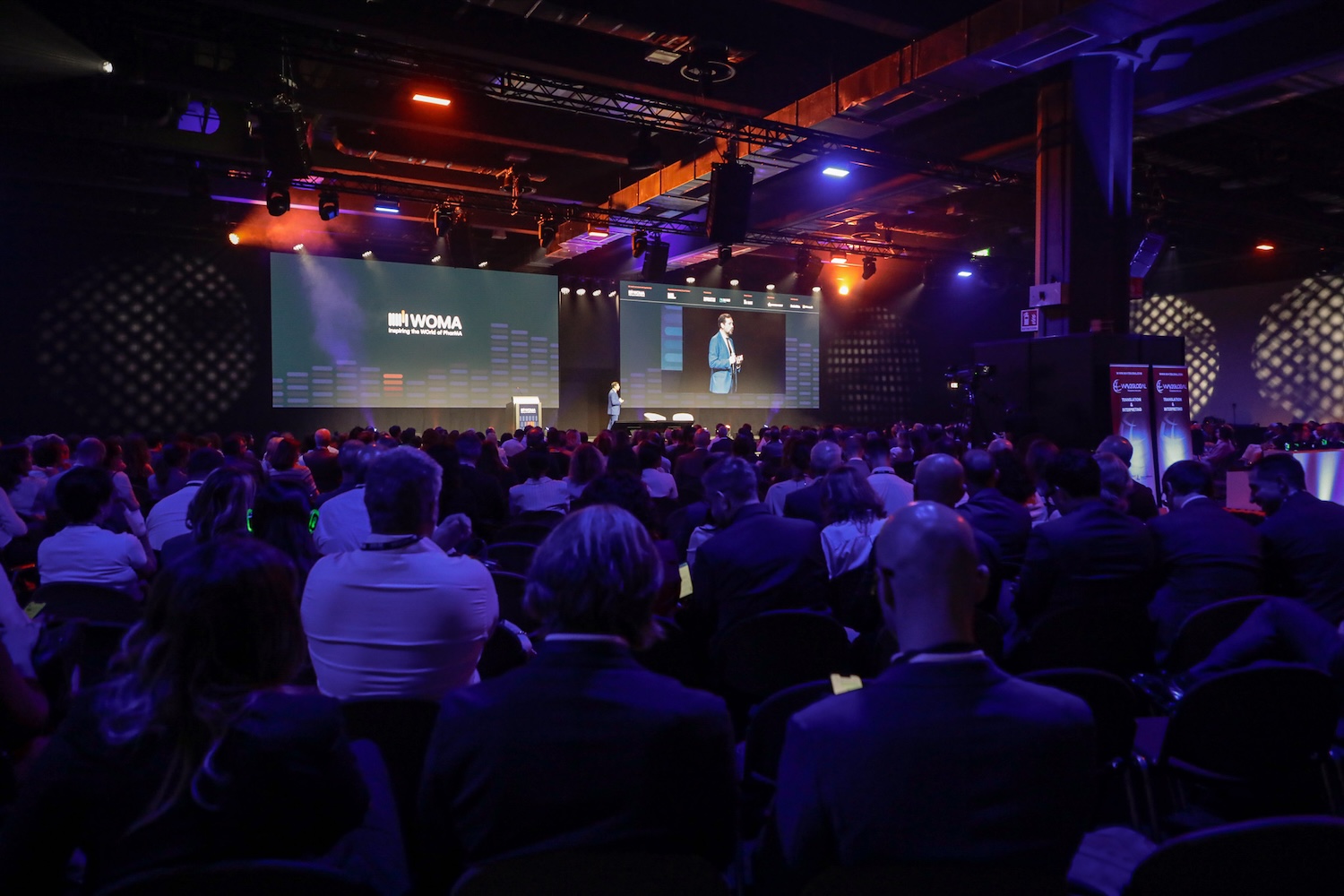
The first edition of the international forum dedicated to pharma, medtech and life sciences brought together approximately 1,000 professionals at Allianz MiCo in Milan. On stage: José Manuel Durão Barroso, Jennifer Doudna, Bertalan Meskó, Zack Kass, Amy Cuddy, Marco Quarta, Assunta Siviero, Antonio Gatti and many other distinguished guests and speakers.
Milan, 25/26 June 2026 – The first edition of the Forum WOMA – Inspiring the WOrld of pharMA, the international forum dedicated to pharma, medtech, healthcare and life sciences, concluded today at Allianz MiCo in Milan. Two days, approximately 1,000 industry professionals, with an Opening Ceremony last evening featuring José Manuel Barroso’s keynote on the New Health Economy, and today a full plenary day covering biotechnology, digital health technologies, artificial intelligence, longevity, business models and leadership. The thesis that emerged session after session: real progress in life sciences is born where technological innovation and the human factor meet.
The Forum was opened by Michele Barletta, Chair of the Scientific Committee of WOMA – Inspiring the WOrld of pharMA and President of BioPharma Network – Pharmaceutical Managers Association, who traced the origins of the project to the profound transformation underway across the industry. Alongside him, Florencia Bechara, CEO of WOMA, articulated the meaning of the experience for participants. The institutional opening brought to the stage Emmanuel Conte, Councillor for Budget, State Property and the Extraordinary Housing Plan of the City of Milan, who positioned the Forum within Milan’s identity as a European life sciences ecosystem, a driver of development, talent and responsible innovation: “Milan is a city of knowledge, because it has succeeded in bringing together universities, research, business, infrastructure and urban quality. Life sciences are today a strategic challenge that is not only scientific, but social and political: they concern access to care, the sustainability of healthcare systems and the reduction of inequalities. WOMA strengthens the ecosystem of relationships and skills that makes Milan a European hub for innovation. The real challenge remains turning research and technology into health, development and shared opportunities.
The first panel of the evening, entitled “The Value of Science, Innovation, Skills and Information for the System”, brought together industry, research, institutions and the media. At its centre, the competitiveness of the country, addressed by Nicoletta Luppi, Vice President of Assolombarda with responsibility for Europe and Life Sciences, and President and Managing Director of MSD Italy: “The life sciences sector is one of the most solid pillars of the country’s competitiveness and an essential driver of innovation, growth and skilled employment. Because today, the winners are not those who innovate the most, but those who create the conditions for innovation to arrive first”. In dialogue with her, Daniele Finocchiaro, Delegate Councillor of Fondazione AIRC for cancer research, underscored investment in scientific research as a driver of social progress: “Building a widespread culture of science and research is today essential to tackling the great challenges of health. Our presence at WOMA is part of this commitment: an opportunity to engage with the life sciences world and jointly promote the value of research”, he stated. Also taking part in the panel was Federico Silvestri, CEO & General Manager of Gruppo Il Sole 24 Ore, on the evolving role of media in communicating science and innovation.
The evening culminated in the “New Health Economy” session, introduced by Alessandro Lattuada, CEO of Otsuka Pharmaceutical Italia, with the keynote by José Manuel Durão Barroso, former President of the European Commission (2004–2014) and former Board Chair of Gavi, the Vaccine Alliance. 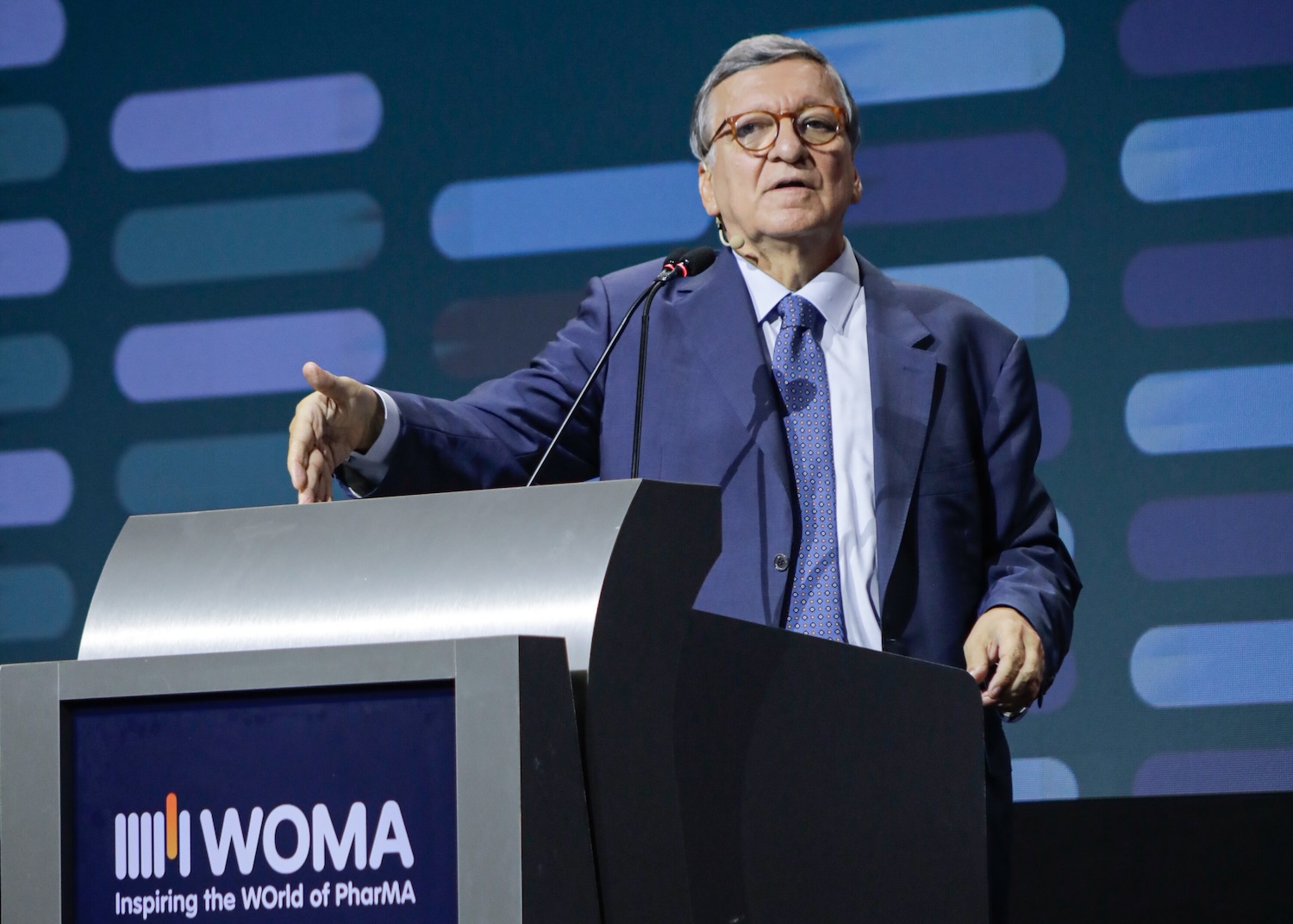 “International cooperation is going through the most difficult moment of the last decades” Barroso stated. “But the answer is not to give up — it is to change the model. The experience of GAVI demonstrates this: by uniting governments, industry, foundations and civil society around a common mission, in twenty-five years we have halved child mortality in 78 countries. Mission-driven public-private partnerships are the most realistic way to tackle the great challenges of our time, from global health to health security, to equitable access to artificial intelligence”. Closing the first day was the Charity Dinner in support of Fondazione AIRC, the official Charity Partner: a moment that combined networking with concrete support for cancer research, through a fundraising initiative dedicated to the careers of young researchers.
The June 26th session, hosted by Alice Farella Monti, Communication & PR Fractional Manager, opened with institutional addresses from Robert Nisticò, President of the Italian Medicines Agency (AIFA), and Emanuele Monti, President of Commission IX on Social Sustainability of the Lombardy Region and AIFA Executive Board Member, who spoke about the importance of institutions in fostering dialogue among all sector stakeholders to accelerate therapeutic innovation. “Lombardy Region can count on a unique ecosystem of research, clinical expertise and industrial capacity. The role of institutions is to foster dialogue among these stakeholders so that innovation translates ever more rapidly into concrete benefits for citizens and into a more effective and sustainable care system”, said Emanuele Monti.
Research: the Fundamental Driver of Progress
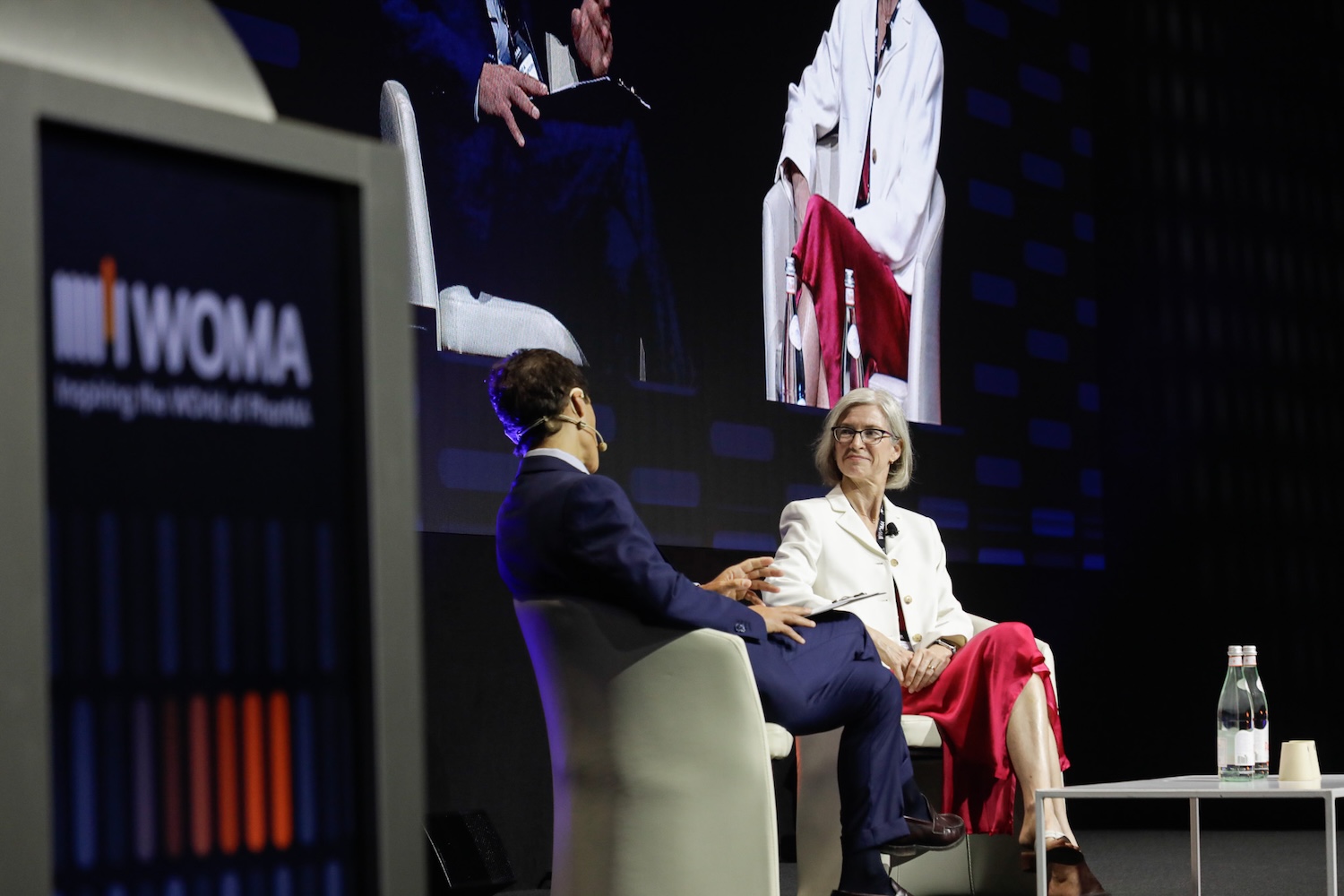
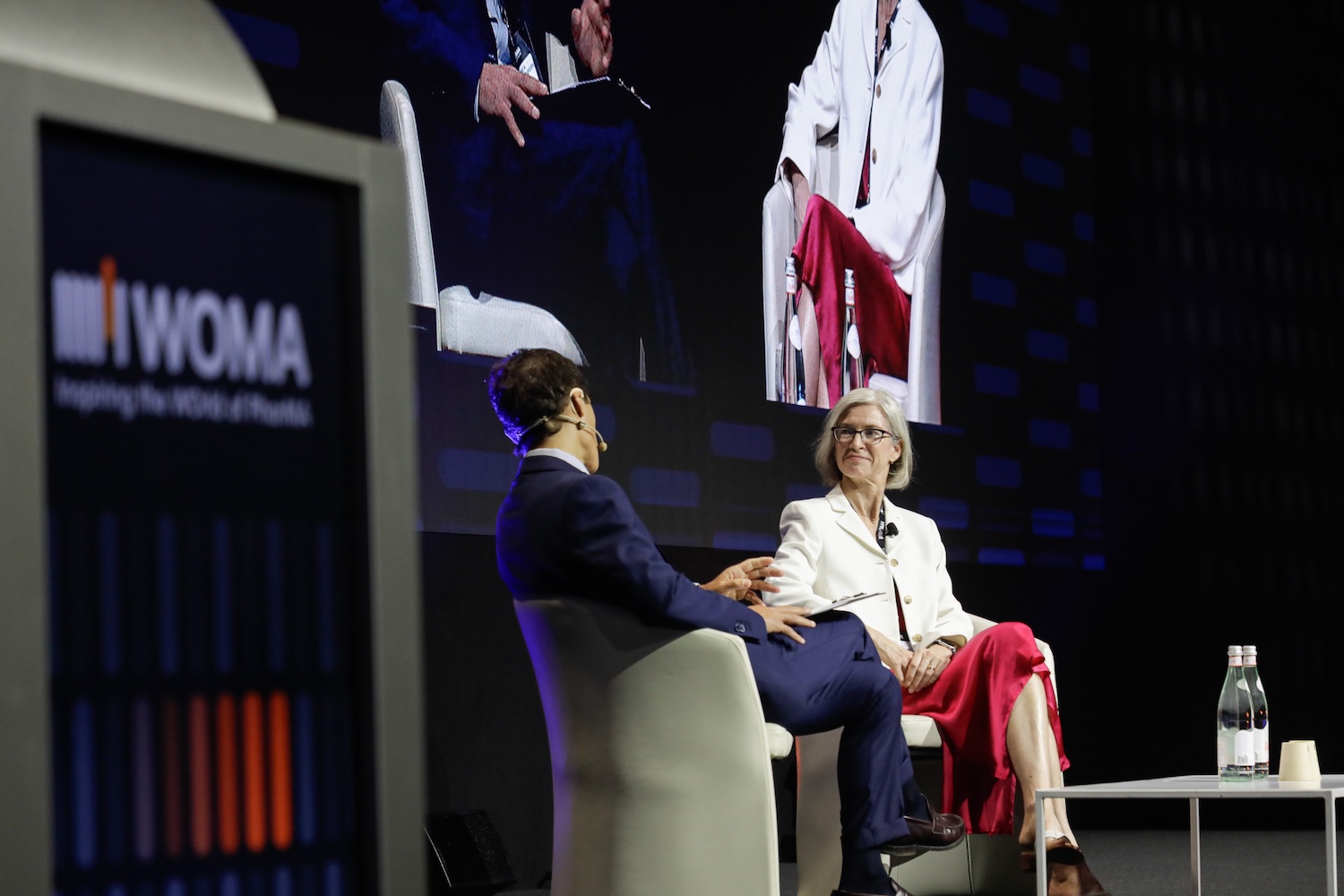
Among the most anticipated moments of the day, Jennifer Doudna, 2020 Nobel Prize in Chemistry and co-discoverer of CRISPR-Cas9, introduced by Giovanni Brianza, CEO of Edison Next and in conversation with Andrea Grignolio Corsini, Professor of the History of Medicine at Università Vita-Salute San Raffaele in Milan, recounted how a discovery born from the study of the bacterial immune system opened the door to modern gene editing technologies, becoming one of the most revolutionary innovations of our time. Doudna reflected on the value of research as a fundamental condition for progress: the future of medicine is born from research, becomes impact through innovation, and requires responsibility in the governance of technologies. Investing in research means investing in the capacity to imagine, build and govern the future.
Could we rebuild a healthcare system from scratch on Mars? Meskó throws down the gauntlet
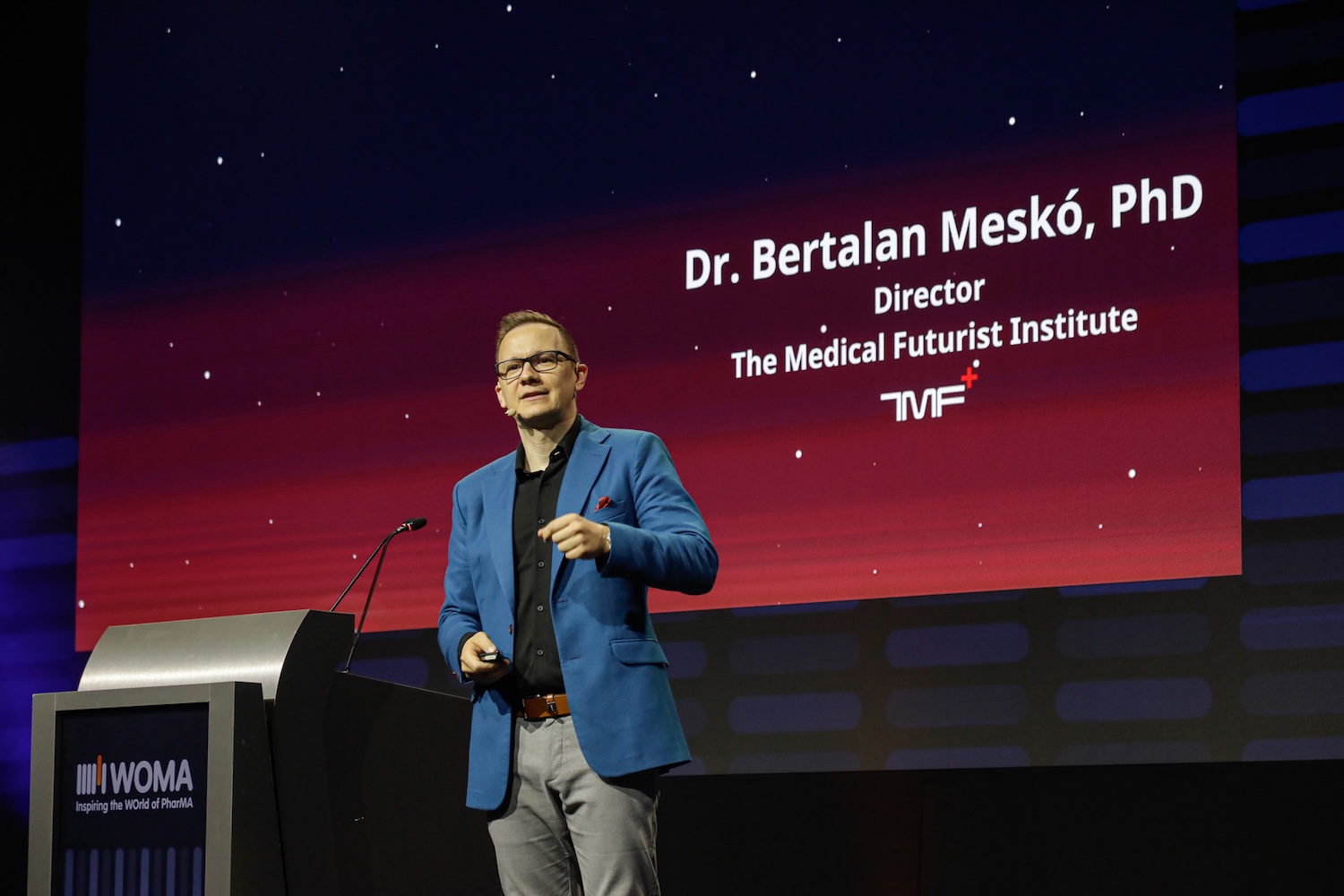
The Future of Technologies in Medicine session, opened by Nicola Giovinazzi, Partner at Deloitte and Life Sciences Sector Advisory Leader Italy, brought to the stage Bertalan Meskó, founder of the Medical Futurist Institute, with a presentation built around a methodological provocation entitled Healthcare Needs a Trip to Mars. “To understand where healthcare is heading — Meskó stated — we must imagine rebuilding it from scratch, as if stranded on Mars, without any of the certainties we take for granted. The future of medicine must be designed starting from the patient experience. AI, digital health and advanced technologies only matter if they enhance that experience: technology does not replace the physician, it amplifies them”.
AI: a New Renaissance that puts humanity back at the centre
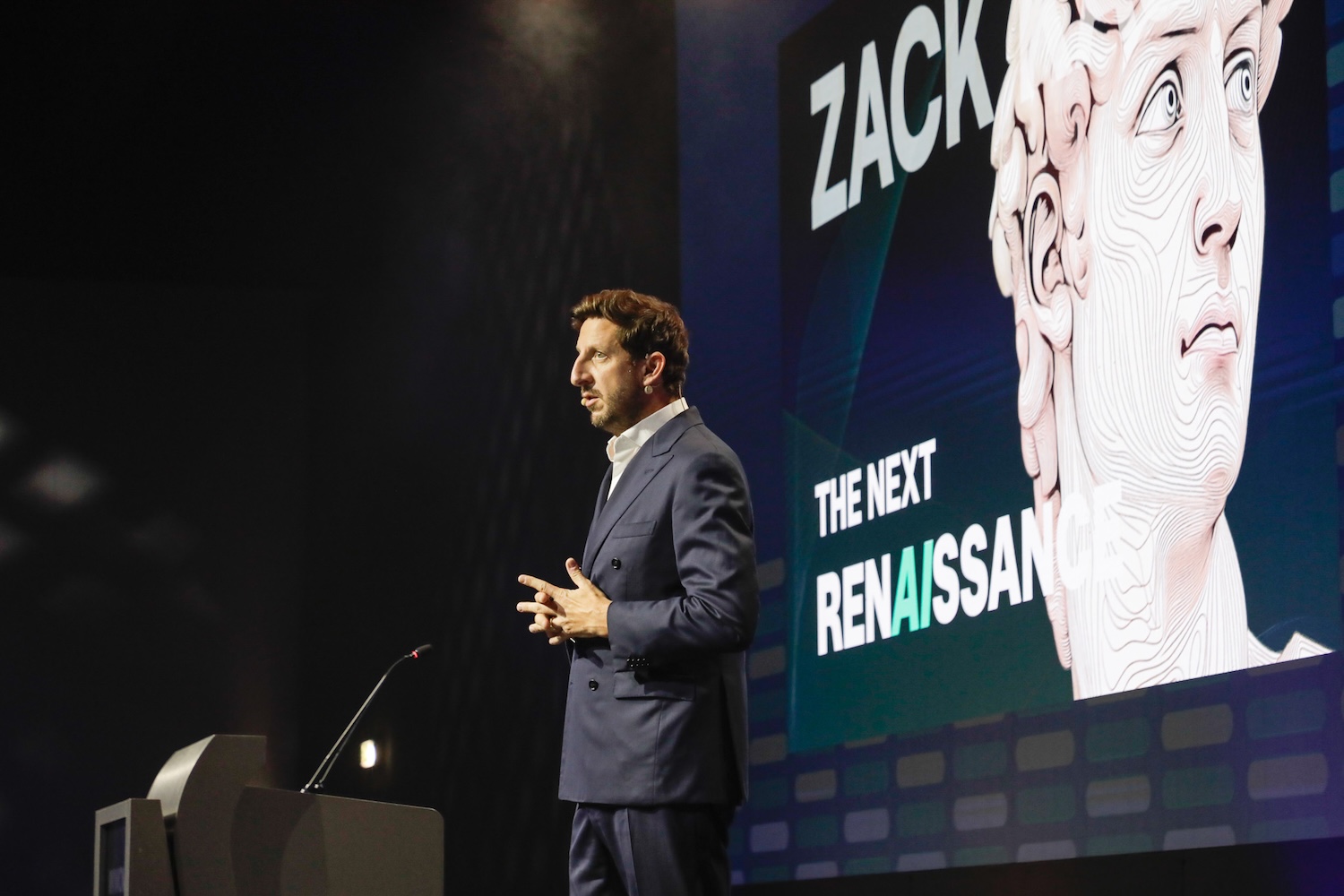
Zack Kass, global artificial intelligence consultant and former Head of Go-to-Market at OpenAI, introduced by Mario Mauri, AI Solutions Officer at Vivactis Europe, presented The Next RenAIssance: driving transformation with AI with a stance that surprises all the more because it comes from someone who knows AI from the inside: “Artificial intelligence is not a threat to be contained — it is a Renaissance to be led. In pharma and medtech, the difference will not be made by those who adopt the most advanced technology, but by those who have the courage to drive transformation rather than endure it. The leaders who emerge from this decade ahead will be those who choose today to change how they work, not just the tools they use” he declared.
Vision & Strategy: Evolution of the Ecosystem
The Vision & Strategy: Evolution of the Ecosystem session, opened by Antonella Levante, Senior Vice President & General Manager of IQVIA Italy and Greece, brought three complementary perspectives on the sector’s transformation to the stage: the science of longevity with Marco Quarta, Co-founder and Chief Scientific Officer of Rubedo Life Sciences; investment dynamics with Assunta Siviero, Sales Director at MFS International; and Agentic AI in drug discovery with Antonio Gatti, Global Business Lead Pharma & Life Sciences at Microsoft. The pharma industry faces a structural redefinition of its business models, driven by human longevity, new biotech platforms and the use of Agentic AI in research — all elements that require strategic decisions today to remain competitive tomorrow.
Leadership and Trust in the Age of Transformation
Closing the day was Amy Cuddy, social psychologist and author of international bestsellers, introduced by Mattia Marco Caruson, Co-founder and CEO of mama health. The decision to entrust the closing speech to a social psychologist at a pharma and life sciences forum is itself a signal: while the sector undergoes a rapid and profound technological, scientific and generational transformation, leadership skills remain the least updated chapter. “In the age of artificial intelligence, the true competitive advantage is not the algorithm, but trust. Organisations invest enormous resources in innovating their technologies, but must innovate with the same urgency their human capabilities — trust, creativity and psychological safety. These are what determine whether people face change as an opportunity or as a threat”, Cuddy stated.
Taking the stage for the closing remarks was Michele Barletta, Chair of the Scientific Committee of WOMA – Inspiring the WOrld of pharMA and President of BioPharma Network – Pharmaceutical Managers Association: “The future of health is not something to predict, but something to build together, through dialogue between science, industry, institutions, technology and society. The participation recorded at WOMA, with nearly 1,000 attendees comprising professionals, managers, leaders, institutions and ecosystem stakeholders, and over 60 partners and sponsors, confirms that the sector has a strong need for an ecosystemic and collaborative approach to the major transformations underway”.
Forum WOMA – Inspiring the WOrld of pharMA is promoted by BioPharma Network – Pharmaceutical Managers Association and 24OreSalute, under the patronage of the City of Milan. Charity partner: Fondazione AIRC for cancer research.