
Artificial Intelligence (AI) is rapidly transforming the biopharmaceutical industry, reshaping how drugs are discovered, developed, and delivered to patients. Traditionally, biopharma has been a time-consuming and expensive field, often requiring over a decade and billions of dollars to bring a single drug to market. AI is changing this paradigm by introducing speed, precision, and efficiency at nearly every stage of the process.
One of the most significant impacts of AI in biopharma is in drug discovery. Machine learning algorithms can analyze vast datasets—such as genomic information, protein structures, and chemical libraries—far more quickly than human researchers. This enables scientists to identify potential drug candidates in a fraction of the time. AI models can predict how different molecules will interact with biological targets, helping to narrow down promising compounds before entering costly laboratory testing. As a result, the early stages of drug development are becoming faster and more data driven.
AI is also playing a crucial role in clinical trials, which have historically been a major bottleneck in drug development. Recruiting suitable participants, monitoring patient outcomes, and analyzing trial data are complex tasks that AI can streamline. Predictive analytics can identify ideal patient populations, increasing the likelihood of trial success. Additionally, AI-powered tools can monitor patient data in real time, improving safety and enabling adaptive trial designs. These innovations not only reduce costs but also enhance the reliability of trial outcomes.
Another area where AI is making a difference is in personalized medicine. By analyzing individual patient data, including genetic profiles, AI can help tailor treatments to specific populations or even individuals. This approach increases treatment effectiveness and minimizes adverse effects. In oncology, for example, AI-driven insights are helping clinicians select therapies based on the genetic mutations present in a patient’s tumor, leading to more targeted and effective care.
Manufacturing and supply chain management within the biopharma industry are also benefiting from AI. Advanced analytics can optimize production processes, predict equipment failures, and ensure consistent product quality. In supply chains, AI can forecast demand, manage inventory, and reduce waste, ensuring that critical medications reach patients efficiently.
Despite its advantages, the integration of AI in biopharma comes with challenges. Data privacy and security are major concerns, as the industry relies heavily on sensitive patient information. Ensuring regulatory compliance is another hurdle, as existing frameworks must adapt to rapidly evolving technologies. Additionally, AI models require high-quality, unbiased data; otherwise, they risk producing inaccurate or inequitable outcomes.
Artificial Intelligence is revolutionizing the biopharmaceutical industry by accelerating drug discovery, improving clinical trials, enabling personalized medicine, and optimizing operations. While challenges remain, the potential benefits of AI are substantial. As technology continues to advance, its integration into biopharma is likely to deepen, ultimately leading to faster innovation and better patient outcomes.
Artificial Intelligence in the Biopharmaceutical Industry: A Detailed Analysis
Artificial Intelligence (AI) is fundamentally reshaping the biopharmaceutical industry by improving efficiency, reducing costs, and enabling new scientific discoveries. Traditionally, drug development has been slow, risky, and expensive—taking 10–12 years and over $2 billion per drug on average . AI technologies are now being integrated across the entire value chain—from early discovery to post-market surveillance—offering the potential to transform how medicines are developed and delivered.
AI in Drug Discovery and Early Research
Drug discovery is the area where AI has had the most transformative impact. The process involves identifying biological targets and screening millions of chemical compounds—a task well-suited for machine learning.
AI systems can:
- Analyze genomic, proteomic, and chemical datasets at scale
- Predict drug-target interactions
- Design novel molecules using generative models
This has led to dramatic improvements in speed. In some cases, AI has reduced early-stage discovery timelines from years to months . Recent industry developments reinforce this trend. For example, new AI platforms can generate and evaluate hundreds of thousands of candidate molecules in weeks, a process that previously took months or longer.
Additionally, the number of companies operating in AI-driven drug discovery has surged to nearly 270 globally, reflecting rapid investment and technological maturation . These companies use deep learning, natural language processing, and generative AI to identify promising compounds more efficiently than traditional screening methods.
Clinical Trials Optimization
Clinical trials are one of the most expensive and failure-prone stages of drug development. AI is improving this phase through:
- Patient recruitment optimization: AI identifies suitable candidates using electronic health records and genetic data
- Predictive analytics: Models forecast trial outcomes and risks
- Real-time monitoring: Wearables and AI tools track patient responses continuously
AI can also assist in trial design, including adaptive trials that adjust parameters based on interim results. This increases success rates and reduces costs.
Industry collaborations highlight this shift. For instance, AI is now being used to optimize clinical trial site selection, a major bottleneck in drug development.
Personalized Medicine and Precision Therapeutics
AI is a key enabler of personalized medicine, where treatments are tailored to individual patients based on genetic and clinical data.
Machine learning models can:
- Identify biomarkers linked to disease
- Predict patient-specific drug responses
- Recommend targeted therapies
This is especially impactful in oncology and rare diseases, where patient variability is high. AI-driven approaches improve treatment efficacy while minimizing adverse effects.
The growing availability of biomedical data—combined with AI’s ability to extract insights from both structured and unstructured sources—has made this shift toward precision medicine increasingly feasible.
Manufacturing and Supply Chain Optimization
Beyond R&D, AI is enhancing operational efficiency in biopharma manufacturing and supply chains.
Applications include:
- Predictive maintenance of equipment
- Process optimization for consistent drug quality
- Demand forecasting and inventory management
Major pharmaceutical companies are now integrating AI across their operations. For example, large-scale partnerships aim to use AI not only in research but also in manufacturing and commercial activities.
Predictive maintenance of equipment
AI-driven predictive maintenance uses machine learning models trained on sensor data (e.g., vibration, temperature, pressure) to anticipate equipment failures before they occur. This allows manufacturers to move from reactive or scheduled maintenance to condition-based interventions, significantly reducing downtime and operational risk.
In pharmaceutical production—where equipment such as bioreactors and lyophilizers are critical—unplanned downtime can halt entire batches. AI systems can detect early anomalies and trigger maintenance actions proactively, improving overall equipment effectiveness and reducing costs.
Process optimization for consistent drug quality
AI is also embedded in manufacturing execution systems to continuously monitor and optimize process parameters (e.g., temperature, flow rates, mixing conditions). These systems enable real-time adjustments to maintain consistent product quality and reduce variability.
Techniques such as computer vision and anomaly detection further enhance quality control by identifying defects in tablets, vials, or packaging faster and more accurately than manual inspection.
More advanced approaches, including digital twins and continuous manufacturing, allow companies to simulate production scenarios and optimize yield, reduce waste, and accelerate scale-up.
Demand forecasting and inventory management
Pharmaceutical supply chains are complex and highly sensitive to demand fluctuations, regulatory constraints, and product shelf-life. AI improves forecasting accuracy by integrating diverse data sources—such as historical sales, epidemiological trends (the analyzed patterns and changes in the occurrence, distribution, and determinants of diseases or health conditions within populations over time), and market signals—into dynamic predictive models.
This enables:
- More accurate demand planning
- Optimized inventory levels (reducing stockouts and excess waste)
- Improved responsiveness to disruptions
For example, AI-enabled systems have been reported to predict a large proportion of low-inventory situations and enable timely corrective actions in supply operations.
End-to-end supply chain intelligence
AI is increasingly deployed as a “control tower” across the supply chain, providing real-time visibility, risk detection, and automated decision-making. These systems enhance resilience by anticipating disruptions and recommending corrective actions across sourcing, manufacturing, and distribution.
Industry adoption and partnerships
Major pharmaceutical companies are integrating AI across the full value chain—not just in discovery, but also in manufacturing and commercial functions. Recent industry developments highlight growing investment in AI infrastructure and partnerships to modernize operations and improve efficiency at scale.
AI is shifting biopharma manufacturing and supply chains from reactive, batch-based systems to predictive, adaptive, and continuously optimized operations, improving efficiency, product quality, and supply reliability.
Economic Impact and Industry Growth
AI is expected to generate substantial economic value in the pharmaceutical sector. Estimates suggest it could create $60–110 billion annually in value by improving productivity and accelerating development timelines.
The market for AI in drug discovery alone is projected to grow from $1.5 billion today to around $13 billion by 2032, indicating strong industry adoption.
Emerging Technologies: Generative AI and Autonomous Labs
Recent advances in generative AI and autonomous systems are pushing the boundaries further. AI agents can now:
- Design experiments
- Control robotic labs
- Iterate through the Design–Make–Test–Analyze (DMTA) cycle automatically
These systems can compress workflows that once took months into hours, significantly increasing research throughput.
Challenges and Limitations
Despite its promise, AI adoption in biopharma faces several challenges:
a. Data Quality and Bias
AI models depend on high-quality datasets. Incomplete or biased data can lead to unreliable predictions.b. Regulatory and Ethical Concerns
Regulatory frameworks are still evolving to address AI-generated insights, especially in clinical decision-making.
c. Limited Clinical Validation
While AI excels in early-stage discovery, relatively few AI-designed drugs have successfully progressed through clinical trials.
d. Integration Challenges
Many companies struggle to integrate AI into existing workflows, often treating it as a separate experimental capability rather than embedding it fully into R&D processes.
The future of AI in biopharma is highly promising. Industry trends indicate:
- Increasing partnerships between pharma and AI companies
- Expansion of AI across the full drug lifecycle
- Greater regulatory acceptance of AI-assisted methods
Identifying CPPs and CQAs using AI
Identifying Critical Quality Attributes (CQAs) and Critical Process Parameters (CPPs) is central to modern biopharmaceutical development, especially within the framework of Quality by Design (QbD). AI is increasingly being used to enhance this process by uncovering complex relationships in data that traditional statistical methods often miss.
Understanding CQAs and CPPs
Before exploring AI applications, it’s important to define the terms:
- CQAs are the physical, chemical, biological, or microbiological properties that must be controlled to ensure product quality (e.g., purity, potency, stability).
- CPPs are process variables (e.g., temperature, pH, agitation speed) that directly impact CQAs and therefore must be tightly controlled.
Traditionally, identifying CQAs and CPPs relies on Design of Experiments (DoE) and statistical analysis. While effective, these approaches can struggle with high-dimensional, nonlinear datasets typical of biopharma processes.
How AI Enhances Identification of CQAs and CPPs
Multivariate Data Analysis and Pattern Recognition
AI models—especially machine learning (ML)—can process large, complex datasets from:
- Process analytical technology (PAT)
- Manufacturing sensors
- Historical batch records
Techniques such as:
- Random Forests
- Neural Networks
- Support Vector Machines
can identify hidden correlations between process parameters and product quality attributes.
Impact:
AI can reveal nonlinear relationships and interactions among variables that traditional regression models may overlook, improving the accuracy of CQA and CPP identification.
Feature Importance and Sensitivity Analysis
Many ML models provide feature importance rankings, which help determine which parameters most strongly influence product quality.
For example:
- A trained model may show that temperature and dissolved oxygen have the highest impact on protein aggregation (a CQA).
- Less influential parameters can be deprioritized, reducing experimental workload.
Impact:
This allows scientists to systematically identify true CPPs rather than relying on assumptions or limited experimental scope.
Digital Twins and Process Simulation
AI-driven digital twins (virtual replicas of manufacturing processes) simulate how changes in parameters affect CQAs.
These models:
- Replicate upstream (cell culture) and downstream (purification) processes
- Allow virtual experimentation without costly lab trials
Impact:
Engineers can test thousands of parameter combinations to identify:
- Critical thresholds
- Safe operating ranges
- Process robustness
Real-Time Monitoring and Adaptive Control
AI integrates with real-time data streams (e.g., from bioreactors) to:
- Monitor CPPs continuously
- Predict deviations in CQAs before they occur
Advanced systems use:
- Reinforcement learning
- Predictive modeling
to dynamically adjust process parameters.
Impact:
This shifts biopharma from reactive quality control to predictive and adaptive quality assurance.
Integration with Quality by Design (QbD)
AI strengthens QbD by:
- Enhancing risk assessment (linking CPPs to CQAs quantitatively)
- Defining design space more precisely
- Supporting regulatory submissions with data-driven insights
Regulatory agencies like the FDA increasingly support advanced modeling approaches when properly validated.
Example Applications
Biologics Manufacturing
AI models can predict how:
- pH, temperature, and nutrient feed rates affect:
– Glycosylation patterns (a key CQA for monoclonal antibodies)
Downstream Processing
Machine learning helps optimize:
- Chromatography conditions to maintain:
– Purity and yield
Cell and Gene Therapy
AI identifies critical variables influencing:
- Viral vector potency
- Transduction efficiency
AI is playing a critical role in optimizing cell and gene therapy (CGT) development and manufacturing by identifying the key biological and process variables that determine therapeutic performance. In these modalities, outcomes are highly sensitive to complex, nonlinear interactions between vector design, cell biology, and manufacturing conditions—making them particularly well-suited to AI-driven modeling.
Viral vector potency
Viral vector potency—defined by the ability of a vector to deliver and express a therapeutic gene effectively—is a central determinant of gene therapy success. This depends on multiple interrelated factors, including capsid structure, genome design, and production conditions.
AI enables:
- Prediction and optimization of vector design: Machine learning models analyze capsid protein sequences to predict properties such as tissue tropism, immunogenicity, and gene expression efficiency.
- Rational design of improved vectors: Generative AI can create novel viral capsids with enhanced targeting and reduced immune response, improving overall potency.
- Process parameter optimization: AI-driven frameworks (e.g., Bayesian optimization) refine manufacturing variables such as chromatography conditions, significantly improving vector yield, purity, and functional activity.
For example, machine learning–guided optimization of adeno-associated virus (AAV) purification has been shown to increase yields from ~70% to ~99% while maintaining high biological activity—directly enhancing effective potency.
Transduction efficiency
Transduction efficiency—the proportion of target cells successfully receiving and expressing the therapeutic gene—is another critical variable influencing efficacy and dose requirements.
AI helps identify and optimize the key drivers of transduction, including:
- Vector characteristics: Capsid design strongly influences cell entry, targeting, and overall efficiency.
- Process conditions: Parameters such as multiplicity of infection (MOI), cell density, and transfection conditions directly affect gene delivery success.
- Environmental and handling factors: Variables like temperature, viral particle concentration, and formulation conditions can significantly alter infectivity and efficiency.
AI models can integrate these variables to:
- Predict optimal dose and vector-to-cell ratios
- Identify nonlinear interactions between process parameters
- Recommend conditions that maximize efficiency while maintaining safety
Additionally, adaptive machine learning systems can iteratively refine production processes, ensuring that vectors retain high transduction activity across different serotypes and manufacturing scales.
Broader impact on CGT development
In cell therapies (e.g., CAR-T), AI similarly identifies variables affecting cell viability, phenotype, and functional potency, while in gene therapies it focuses on vector delivery efficiency and gene expression levels.
By integrating multi-omics data, process analytics, and real-time manufacturing data, AI enables:
- Faster optimization of complex, patient-specific workflows
- Reduced experimental burden compared to traditional trial-and-error approaches
- Improved scalability and reproducibility of CGT manufacturing
AI is transforming cell and gene therapy by enabling data-driven optimization of the two most critical performance drivers:
- Viral vector potency (through improved design, yield, and functional activity)
- Transduction efficiency (through optimized delivery and process conditions)
These advances are essential for overcoming current bottlenecks in CGT manufacturing, ultimately improving therapeutic efficacy, scalability, and patient access.
Benefits of Using AI
- Higher accuracy in identifying true CQAs/CPPs
- Reduced experimental burden compared to exhaustive DoE
- Faster process development timelines
- Improved process robustness and consistency
- Enhanced regulatory confidence through data-driven models
Challenges and Considerations
Despite its advantages, AI adoption comes with constraints:
- Data quality and availability: Poor or sparse data reduces model reliability
- Model interpretability: Complex models (e.g., deep learning) can act as “black boxes”
- Regulatory acceptance: Requires transparency, validation, and explainability
- Integration: Aligning AI tools with existing manufacturing systems can be difficult
Building AI Model – Biopharma Industry
Building an AI model for the biopharma industry isn’t a single “one-size” system—it’s more like a layered architecture tailored to specific use cases such as drug discovery, clinical trials, manufacturing, or pharmacovigilance. A workable approach is to design a modular, end-to-end system that can plug into different stages of the biopharma value chain.
Here’s a practical, modern blueprint can build from:
Define the Core Use Case First
Start by narrowing scope. AI in biopharma typically falls into a few high-impact domains:
- Drug discovery (target identification, molecule design)
- Preclinical modeling (toxicity, ADME prediction)
- Clinical trials (patient recruitment, trial optimization)
- Manufacturing (process optimization, quality control)
- Post-market surveillance (adverse event detection)
Each requires different data and modeling strategies—trying to cover all at once usually fails.
Data Layer (Foundation)
Biopharma AI is only as good as its data. You’ll need a unified data platform that integrates:
Structured data
- Genomics (DNA/RNA sequencing)
- Proteomics
- Chemical compound libraries
- Clinical trial datasets
Unstructured data
- Scientific literature (PubMed, patents)
- Clinical notes
- Regulatory documents
Real-world data
- Electronic Health Records (EHRs)
- Claims data
- Wearables (optional)
Key capabilities
- Data normalization (ontologies like SNOMED, MeSH)
- Entity resolution (same drug, different names)
- Privacy compliance (HIPAA, GDPR)
Model Architecture
A strong biopharma AI system typically combines multiple model types:
Knowledge Graph Layer
- Nodes: genes, proteins, diseases, compounds
- Edges: interactions, pathways, effects
- Enables reasoning and hypothesis generation
Deep Learning Models
- Graph Neural Networks (GNNs) → molecule interactions
- Transformers → literature mining, protein sequences
- Diffusion / generative models → novel molecule design
Predictive Models
- Toxicity prediction
- Binding affinity scoring
- Clinical outcome prediction
LLM Layer (Scientific Copilot)
- Summarizes research
- Generates hypotheses
- Assists scientists interactively
System Architecture
Think in terms of pipelines:
Ingestion → Processing → Modeling → Decision Support
- Data ingestion pipelines (ETL)
- Feature engineering (biological embeddings)
- Model training pipelines (ML ops)
- APIs for inference
- Visualization dashboards
Sample Workflow (Drug Discovery)
- Identify disease target (via knowledge graph + literature mining)
- Generate candidate molecules (generative AI)
- Predict binding affinity (GNN models)
- Filter for toxicity (classification models)
- Rank candidates for lab validation
This reduces wet-lab experiments dramatically.
Evaluation Framework
Unlike typical AI, accuracy alone isn’t enough:
- Scientific validity (biological plausibility)
- Reproducibility
- Regulatory auditability
- Explainability (critical for FDA submissions)
Deployment Considerations
- MLOps + GxP compliance
- Version-controlled datasets and models
- Full audit trails
- Human-in-the-loop validation
Tech Stack (Example)
- Data: Snowflake / Databricks
- ML: PyTorch, TensorFlow
- Graphs: Neo4j
- Pipelines: Airflow, Kubeflow
- LLMs: fine-tuned domain-specific models
- APIs: FastAPI
Challenges You’ll Need to Solve
- Sparse and noisy biological data
- Bias in clinical datasets
- Integration across silos
- Regulatory barriers
- Interpretability vs performance trade-offs
A Minimal Viable Model (If You’re Starting Small)
If you want something concrete and buildable:
- Use a transformer model fine-tuned on biomedical literature
- Add a compound property predictor (QSAR model)
- Build a simple knowledge graph
- Wrap it in a research assistant interface
Here’s a clear graphical model of the MVP system you’re building—laid out so it can visualize flow, dependencies, and components like it would in a pitch deck or architecture diagram.
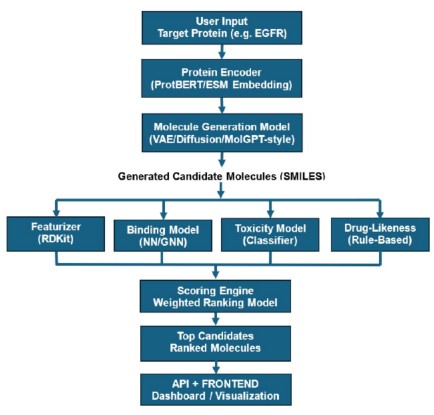
Figure 1. AI Biopharma MVP (Minimum Viable Product) – System Diagram.
Terms Used in Figure 1
Generated candidate molecules in SMILES (Simplified Molecular Input Line Entry System) format are text-based, linear representations of chemical structures produced by AI models (such as RNNs, VAEs, or Transformers) for de novo drug design. These strings are designed to represent 2D molecular information—atoms, bonds, and ring closures—in a format suitable for computational processing and database searching.
MVP: Minimum Viable Product
EGFR: eGFR (estimated glomerular filtration rate) is a blood test that measures how well your kidneys filter waste, acting as a key indicator of kidney function and chronic kidney disease (CKD) stages. A normal eGFR is usually 90 mL/min/1.73 m2 or higher, while a consistent result below 60 for three months indicates CKD.
ProtBERT/ESM Embedding: ProtBERT and ESM (Evolutionary Scale Modeling) are state-of-the-art transformer-based protein language models (pLMs) used to generate numerical representations (embeddings) of protein sequences. These embeddings capture complex biological, structural, and evolutionary information, enabling the prediction of protein function, structure, and interactions without explicit sequence alignment.
ProtBERT: stands for Protein Bidirectional Encoder Representations from Transformers.
VAE/Diffusion/MolGPT-style: Molecular generation methods have evolved through several paradigms—including VAEs, Diffusion Models, and MolGPT/Transformer-based approaches—to address the challenges of navigating the vast chemical space. These approaches represent a shift from traditional screening to AI-driven de novo design, optimizing for validity, novelty, and desirable properties.
VAE-Style: Variational Autoencoders.
MolGPT: It is a deep learning framework designed to generate new drug-like molecules, often referred to as inverse molecular design, by applying the GPT (Generative Pre-training Transformer) architecture to chemical structures represented in SMILES (Simplified Molecular Input Line Entry System) format.
Featurizer (RDKit): In the context of cheminformatics and the RDKit library, a Featurizer (or molecular featurizer) is a tool or algorithm that converts raw chemical data—such as SMILES strings or 3D molecular structures—into a numerical representation (a vector or a matrix) that machine learning models can process. The term RDKit itself stands for the Rational Discovery Kit is an open-source cheminformatics toolkit widely used for molecular modeling and data analysis.
Binding Model (NN/GNN): GNN stands for Graph Neural Network. It is a type of deep learning model designed to perform inference on data described by graphs, such as social networks, molecular structures, or transportation systems, by exploiting the relationships (edges) between data points (nodes). NN stands for Neural Network, which in this context often refers to standard artificial neural networks that GNNs build upon to learn complex patterns, such as Convolutional Neural Networks (CNNs) or Multi-Layer Perceptrons (MLPs).
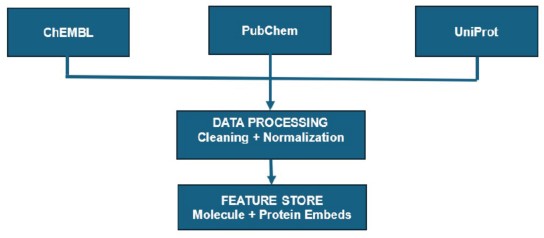
Figure 2. Data Flow Layer (Where Data Comes From).
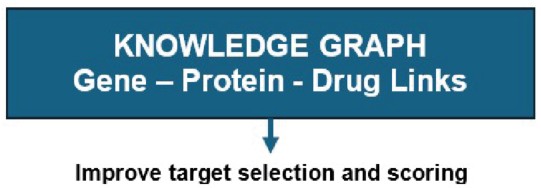
Figure 3. Optional Upgrade.
Terms Used in Figure 2
ChEMBL: ChEMBL (or ChEMBLdb) is a manually curated, open-access database of bioactive molecules with drug-like properties, maintained by the European Bioinformatics Institute (EMBL-EBI). It focuses on chemogenomics, linking chemical structures, bioactivity data (binding/functional), and molecular targets to aid drug discovery.
PubChem: PubChem stands for the Public Chemical Database. It is a massive, free, and open repository of information on small molecules and their biological activities, developed and maintained by the National Center for Biotechnology Information (NCBI), a part of the National Institutes of Health (NIH).
UniProt: UniProt stands for the Universal Protein Resource. It is a comprehensive, freely accessible database of protein sequences and functional information, created by combining data from Swiss-Prot, TrEMBL, and PIR-PSD. It serves as a central repository for annotated protein data, maintained by the UniProt Consortium.
Model Interaction Layer (Key Insight)
Think of your system as three brains working together:
- Generator → “What molecules could exist?”
- Predictor → “Will this molecule work?”
- Filter → “Is it safe and usable?”
Add a knowledge graph layer:
Conclusion
Artificial Intelligence is revolutionizing the biopharmaceutical industry by accelerating drug discovery, optimizing clinical trials, enabling personalized medicine, and improving operational efficiency. While challenges such as data quality, regulatory uncertainty, and clinical validation remain, the potential benefits are substantial.
As AI technologies continue to mature and integrate more deeply into scientific workflows, they are likely to redefine the economics and speed of drug development—ultimately leading to faster innovation and improved patient outcomes worldwide.
AI is transforming how CQAs and CPPs are identified in the biopharmaceutical industry by enabling deeper insights into complex process–quality relationships. Through advanced data analysis, simulation, and real-time monitoring, AI allows for more precise, efficient, and predictive control of manufacturing processes. While challenges remain, its integration into QbD frameworks represents a major step toward smarter, more reliable biopharmaceutical production.

From data to decisions: How AI is transforming supply chains in chemic...
AI at Enterprise Scale: Inside Pharma’s Manufacturing Transformation

Becoming the “Customer of Choice”: A Strategic Imperative for CDMOs an...

Intelligence Amplified: A CDMO Perspective on Integrating R&D and...
Deriving health-based exposure limits for highly potent APIs: from reg...

HPAPI Management: From Categorization to Prevention – Practical...

Scaling, Adapting and Partnering: How Europe’s Chemical Sector Can Sta...

Regulatory affairs as the connective tissue of pharmaceutical product...