of innovation, research, and novel developments
June 9-11, 2026
which is taking place in Athens (Greece) on 9-11 June, 2026,
organized by Tks Publisher and event organiser.
Hereafter you can find agenda, abstracts and list of
posters to get an overview of the topics that are going to be covered this year
Michael Sherratt – Professor of Biochemistry, University of Manchester
Predicted tetra-peptide matrikines: activities against diverse cultured cell types and ex vivo skin
Age-related remodelling of the dermal extracellular matrix (ECM) can produce endogenous bioactive ECM-derived peptides (matrikines). We have shown that novel peptide matrikines can be predicted by in silico digestion of ECM proteins with relevant skin proteases (https://doi.org/10.1093/bjd/ljae061). Two predicted matrikines (P1: GPKG and P7: LSVD) induced the deposition of ECM components in dermal fibroblast cultures and, in photoaged human skin, beneficial remodelling of elastic fibres in the papillary dermis.
In this study we characterise the effects of an expanded panel of eight peptides on the viability, proliferation and transcriptome of cultured primary human dermal fibroblasts and keratinocytes. All peptides were well tolerated by both cell types (live/dead staining assays) but keratinocytes were more responsive than fibroblasts (RNASeq).
Four peptides (P1, P6 (LSPD), P7 and P8 (LKGD) and the P1+P7 combination) were then characterised in ex vivo skin wounding assays. After 3-7 days, P6, P7, P8 and P1+P7 enhanced wound closure compared to controls. In parallel 3D culture experiments, sprouting was induced in primary human umbilical vein endothelial cells (HUVECS) spheroids by P8 (but not P6) and by vascular endothelial growth factor (VEGF). These studies demonstrate that in silico predicted peptides can induce beneficial responses in varied cutaneous cells and tissues.
Maria Reichenbach – Manager Cell & Molecular Biology, Symrise
Retinoid-Like Transcriptomic Programming by Myristoyl Nonapeptide-3
Myristoyl nonapeptide-3 is a retinoid-mimetic lipopeptide with the sequence Myr–DLKERKDVY developed to deliver well-aging benefits with improved tolerability. Retinoids have become indispensable in anti-aging cosmetic care eliciting epidermal differentiation and proliferation, but also side effects including inflammation, redness and dryness especially during long-term use.
Thus, we have developed Myristoyl nonapeptide-3 as a RetinoPeptide™ exhibiting the same biological effects while lacking the unwanted side effects. Therefore, we first profiled retinoic acid–responsive biology using a targeted array of retinoid mode of action ReMA gene set and observed strong pathway convergence: retinoic acid upregulated 31/89 genes, and Myristoyl nonapeptide-3 shared 49 of these regulated targets, supporting retinoid-like signaling.
We then quantified functional endpoints ex vivo using human skin explants. After 6 days, Myristoyl nonapeptide-3 increased type I collagen immunostaining by 43% versus untreated (p<0.1), compared with 54% for retinoic acid while placebo showed minimal change (8%). Myristoyl nonapeptide-3 increased epidermal thickness to 6–7 layers with less spongiosis than retinoic acid (10–12 layers).
Consistently, RNAseq showed enrichment of keratinization/epidermal structure and proliferation programs (e.g., intermediate filament organization; cell division). Overall, our data demonstrate that myristoyl nonapeptide3 drives retinoid-like gene programs and promotes collagen remodeling with controlled epidermal renewal.
Ariadna Grau-Campistany – R&D Manager, Lipotrue
Nature’s Strongest Thread: The First Spider-Silk–Inspired Peptide Proven to Strengthen Both Skin and Hair
Spider silk stands out as an extraordinary natural fibre, primarily made up of large proteins. Its strength rivals that of steel, while its elasticity is akin to rubber, making it the toughest material found in nature. The principal proteins found in spider silk, known as spidroins, belong to the scleroprotein family, which also encompasses other insoluble structural proteins like collagen and keratin.
The most-researched type of spidroins are the major ampullate silk proteins (MaSp) used in the construction of dragline silk, which utilize crystalline-sheet structures to provide exceptional tensile strength and amorphous regions for elasticity, resulting in a unique combination of toughness and torsional shape memory.
For our recent development, we created a collection of peptides that replicate the sequence of MaSp proteins, preserving the motifs responsible for elasticity and the charged regions within their structure. This approach was intended to design a peptide that mirrors the qualities of spider silk, offering benefits for both skin and hair.
Among these, WaspilkTM, a 14-mer, demonstrated the most promising efficacy profile. On skin, it enhances mechanical youthfulness by improving tensile strength (via keratin (WB) and collagen (qPCR, IF)) and resilience (through elastin (ELISA, ex vivo) and fibrillin (IF)).
It also modulates matricellular proteins such as SPARC (ELISA) and Fibulin-2 (ex vivo), which play critical roles in collagen and elastin production, organization, and maintenance. On hair, WaspilkTM promotes dermal papilla cell proliferation, activates key signalling pathways (Wnt/β-catenin and Hedgehog), reduces 5α-reductase activity, and upregulates keratin expression.
These effects lead to larger, more active dermal papillae, resulting in thicker, healthier hair with reduced miniaturization.
Clinical studies confirm this dual efficacy, particularly in improving skin elasticity and hair radiance, as well as acting on hair scalp, making WaspilkTM a breakthrough in biomimetic peptide design.
Annalisa Tito – Director of the Molecular and Cell Biology Laboratory, Arterra Bioscience S.p.A.
Peptides from Paeonia suffruticosa cell cultures: natural Alternative to Retinoids with ECM-Boosting and Barrier-Preserving Benefits
Retinol is one of the most effective and widely used anti-aging ingredients; however, its harshness often causes irritation, particularly in sensitive skin. Consequently, the search for plant-derived retinol alternatives with comparable efficacy but improved tolerability is ongoing.
This study investigates a peptidic extract, obtained with a patented procedure, from cell walls of Paeonia suffruticosa cell cultures that activates retinoic acid receptor boosting extracellular matrix proteins under basal and stressed conditions.
Unlike retinoic acid, the Paeonia extract promoted the expression of tight junction proteins such as claudin-1, highlighting its favorable profile for maintaining skin barrier function. A clinical study comparing a formulation containing this extract with one containing 0.3% retinol revealed the superior efficacy of the Paeonia suffruticosa peptidic extract.
Souravh Bais – Professor in Pharmacology, SAGE University Indore
Preclinical Safety and Efficacy Evaluation of a Bioactive Cosmetic Peptide Delivered via Nanocarrier-Based Topical Systems
Cosmetic peptides are increasingly incorporated into advanced skincare formulations due to their targeted biological activity and favourable safety profile. This study investigates the preclinical safety and efficacy of a novel bioactive cosmetic peptide delivered through a nanocarrier-based topical formulation.
The formulation was assessed for stability, skin penetration, and controlled release characteristics. In vitro assays evaluated collagen stimulation, antioxidant activity, and cytotoxicity, while ex vivo skin studies assessed dermal penetration.
Preclinical safety was confirmed through skin irritation and sensitization studies. The formulation demonstrated enhanced peptide penetration and biological activity compared to conventional topical formulations.
These findings underscore the role of nanotechnology-enabled delivery systems in maximizing the functional performance of cosmetic peptides and support their growing application in next-generation cosmeceuticals.
Plenary session
Day 1 – June 9
Kleomenis Barlos – Professor Emeritus of Chemistry, University of Patras
Trityls: 45 Years of Innovation and Continuing Evolution in Peptide and Oligonucleotide Synthesis
Trityl-based protecting groups and resins are versatile platforms in modern peptide and oligonucleotide synthesis, enabling access to increasingly complex molecular architectures.
This lecture highlights their pivotal role in synthesizing small proteins and challenging peptide targets, including prothymosin-α, proinsulin derivatives, relaxin-2, human EGF, chlorotoxin, GLP-1 and calcitonin, demonstrating the efficiency, selectivity, and scalability of trityl chemistry.
Beyond peptides, trityl-based solid-phase strategies also facilitate the construction of complex organic molecules, exemplified by the synthesis of the triantennary N-acetylgalactosamine conjugate for targeted delivery to liver cells.
These advances illustrate how trityl chemistry continues to expand the boundaries of solid-phase synthesis across peptides, proteins, and functional biomolecules.
Muthiah (Mano) Manoharan – Alnylam Pharmaceuticals, Senior Vice President of Drug Discovery
Living in the World of RNA Therapeutics: Past, Present and Future
More than 30 nucleic acid-based therapeutics have been approved for treatment of various diseases in the last 27 years. These include antisense oligonucleotides, splice-switching oligonucleotides, short interfering RNAs (siRNAs) that act through the RNA interference (RNAi) pathway, mRNA vaccines, CpG adjuvants, and RNA aptamers that bind to disease-causing proteins.
Among the diseases targeted by this new class of drugs are both rare diseases and prevalent diseases. Chemical modification of DNA and RNA was central to making drugs out of oligonucleotides.
Oligonucleotide therapeutics brought to market thus far contain just a handful of chemical modifications such as 2¢-fluoro, 2¢-O-methyl, 2¢-O-(2-methoxyethyl) sugar modifications, the N-methyl-pseudouridine base modification, and phosphorothioate and phosphorodiamidate morpholino backbone modifications.
These modifications influence target affinity and specificity, metabolic stability, and pharmacokinetic and pharmacodynamic properties.
Breakthroughs in lipid nanoparticle formulation and the use of the N-acetylgalactosamine-conjugation paved the way to efficient delivery of these therapeutics to liver.
Using these strategies, six approved RNAi therapeutics for seven indications have emerged from Alnylam. LNP mediated delivery of ONPATTRO® (patisiran), led to the first RNAi therapeutic approved by the FDA in 2018 for treatment of TTR amyloidosis-mediated polyneuropathy.
Five GalNAc-conjugated siRNAs developed at Alnylam are now used clinically: GIVLAARI® (givosiran) for treatment of acute hepatic porphyria (2019), OXLUMO® (lumasiran) for the treatment of primary hyperoxaluria type 1 (2020), LEQVIO® (inclisiran) for treatment of hypercholesterolemia (2020 in the EU, 2021 in the USA), AMVUTTRO® (vutrisiran) for treatment of TTR amyloidosis-mediated polyneuropathy (2022) and for treatment of TTR amyloidosis-mediated cardiomyopathy (2025), and QFITLIA® (fitusiran) for treatment of hemophilia A and B (2025).
Beyond the LNP and GalNAc platforms, new approaches are being assessed for delivery to extrahepatic tissues. A lipid-conjugated siRNA for central nervous system applications and an antibody-conjugated siRNA for muscle delivery have entered clinical studies.
Additional ligands and delivery platforms are on the horizon. The remaining challenges of this field and available opportunities in the exciting field of RNA-based medicines will be summarized in this presentation.
Oligonucleotides
Day 2 – June 10
Keynote Speech
Roumen Radinov – Alnylam
Development of Next Generation siRNA Manufacturing Process
Enzymatic syntheses have recently emerged as a powerful alternative to the traditional solid-phase synthesis of oligonucleotides, driven by the growing demand for large-scale oligonucleotide production with an emphasis on developing sustainable synthetic processes.
The presentation will review synthesis technologies for therapeutic oligonucleotides holding promise in this regard. In this context we will present recent progress in the development of a commercial chemoenzymatic manufacturing process siRELIS (siRNA Enzymatic Ligation Synthesis) at Alnylam.
Proof of concept for this approach and proposed chemoenzymatic control strategy will be discussed.
Jill Caswell – Almac
Enzymatic strategies for oligonucleotide therapeutic manufacturing
The use of biocatalysis in pharmaceutical development continues to expand, with significant progress in enzymatic methods for oligonucleotide synthesis. These approaches offer improved yields and purity compared to traditional chemical methods.
Technologies that rely solely on single-nucleotide additions—whether chemical or enzymatic—inevitably suffer yield losses due to imperfect coupling efficiency, an issue that becomes more pronounced with increasing sequence length.
Shorter oligonucleotide fragments can be produced at higher purity without purification and subsequently joined using DNA or RNA ligases. As a result, ligase-based strategies are central to modern biocatalytic oligonucleotide synthesis.
Almac’s 3232 hybrid strategy has demonstrated the assembly of full siRNA duplexes from unpurified “blockmer” fragments (1). Due to the self-complementary nature of these fragments, the final ligated product often benefits from inherent purity enrichment, as shortmers and sequence impurities typically fail to ligate.
The Innovate UK-funded OLLIE project (Elevated Temperature Mediated Oligo Synthesis Using Ligase and Resin Technology) aims to advance these biocatalytic methods by integrating novel enzyme and process technologies.
Using Almac’s estabilised rational engineering platform and INSIGHT™ smart library discovery, RNA ligase variants with enhanced thermal stability have been developed together with robust immobilised ligase systems capable of generating full-length siRNA duplexes.
References
- Paul, S., Gray, D., Caswell, C., Brooks, J., Ye, W., Moody, T., Radinov, R., Nechev, L. (2023). Convergent Biocatalytic Mediated Synthesis of siRNA. ACS Chemical Biology, 18(10), 2183–2187.
- Carvalho, A., Dourado, D., Spratt, J., Caswell, J., Skvortsov, T., Quinn, D., Carey, J., Moody, S. (2024). Enzyme Screening and Engineering for N and ODemethylation: Key Steps in the Synthesis of Buprenorphine. Organic Process Research & Development, 28(3), 729–737.
- Scott, M., Wang, X., Humphreys, L., Geier, M., Kannan, B., Chan, J., Brown, G., Dourado, D., Gray, D., Mix, S., Pukin, A. (2022). Enzyme Optimization and Process Development for a Scalable Synthesis of (R)-2Methoxymandelic Acid. Organic Process Research & Development, 26(3), 849–858.
Fabrizio Palumbo – CPI
Enhancing the Sustainability of Oligonucleotide Manufacturing through Solvent Reuse
Advancing the sustainability of solid-phase oligonucleotide synthesis (SPOS) remains a key challenge, particularly with respect to acetonitrile reuse.
Typically, 1000+ kg of acetonitrile is required per kg of product, which places stress on acetonitrile supply chains and is a significant contributor to the carbon footprint and process mass intensity of the SPOS process.
To tackle this issue, CPI tested solvent recycling as part of a collaborative project with Exactmer and Queen Mary University, aimed at developing and validating a solvent recovery and reuse strategy for SPOS.
Oligonucleotides synthesized using the recovered solvent demonstrated purity profiles comparable to those produced using fresh acetonitrile, confirming the viability and effectiveness of the membrane-based recycling strategy.
This could reduce the required acetonitrile by up to 45%, thus reducing the process mass intensity to up to 550 kg per kg.
Ruven Jilly – Biospring
siRNA sequencing: Comparison of available technologies
Small interfering RNAs (siRNAs) are short, chemically modified, double-stranded molecules that have emerged as therapeutical agents since the market authorization of patisiran in 2018.
Ensuring the identity of siRNA requires analytical methods capable of confirming the correct chemical composition as well as the nucleotide sequence and the order of chemical modifications.
This presentation provides an overview of different mass spectrometry-based approaches for siRNA sequence confirmation, including tandem mass spectrometry, acid-induced sequencing, and enzymatic digestion methods.
Chris Oswald – Independent Consultant, Coswald Consulting
Process Validation
Process validation and characterization can be both exciting and challenging during molecule development, especially for oligonucleotides that combine features of small molecules and biologics.
Areas requiring deeper understanding include raw material variability, synthesis yield accumulation challenges, analytical sensitivity, purification complexity, stability issues, and regulatory strategies.
- Raw material variability
- Complex impurity profiles
- Synthesis stepwise yield accumulation challenges
- Purification complexity
- Analytical method sensitivity and orthogonality
- Commercial scale-up uncertainty
- Stability and degradation issues
- Regulatory and validation strategy challenges
Elena Kumm – Tosoh Bioscience
Optimization of Anion Exchange Chromatography for the Purification of (modified) Oligonucleotides
Efficient removal of sequence-related impurities, including shortmers and longmers, is essential to ensure the quality and safety of therapeutic oligonucleotides.
This presentation highlights the optimization of anion exchange chromatography methods and resins for the purification of modified oligonucleotides and their integration into robust downstream purification strategies.
Michela Coan – University College Dublin
CRISPR-powered discovery of long non-coding RNA therapeutics in cancer
Long non-coding RNAs (lncRNAs) represent a promising yet largely unexplored class of targets for oligonucleotide therapeutics in cancer.
These properties make lncRNAs attractive candidates for targeted therapies with limited toxicity to healthy tissues.
CRISPR-Cas9 genome editing was applied for functional screening of more than 160 lncRNAs across four KRAS-mutant non-small cell lung cancer cell lines and two non-cancerous controls.
Researchers identified 32 high-confidence oncogenic lncRNAs with strong therapeutic potential and minimal toxicity.
The CRISPR-based pipeline delivers preclinical-ready lncRNA targets optimised for oligonucleotide therapies in NSCLC.
Christian Winiger – Microsynth
Raja Prince – BLEEDnFIRE Therapeutics
Oligonucleotide Therapeutics for Bleeding Disorders
Bleeding disorders encompass a diverse group of conditions that can range from mild symptoms to severe, life threatening disease.
This presentation highlights an oligonucleotide based therapeutic discovery program—from initial screening through toxicology studies—that selectively targets hepatic anticoagulant protein S to provide durable bleed protection and joints preservation without the need for factor replacement therapy.
This approach offers a safe and long lasting treatment option, particularly for patients who remain underserved by existing treatments.
In addition to the therapeutic concept, the presentation will provide insights into both the underlying biology and the chemical manufacturing processes involved in developing these oligonucleotide compounds.
Tsuyoshi Yamamoto – Liid Pharmaceuticals
Leveraging the BROTHERS(TM) oligonucleotide platform for an unmet neurological need in Gaucher diseases
Oligonucleotide therapeutics, such as antisense oligonucleotides (ASOs), enable precise gene regulation via Watson-Crick base pairing.
Their programmability offers a promising modality for unmet medical needs. However, clinical advancement is often hindered by systemic and central nervous system toxicities.
To address this, a novel oligonucleotide platform named BROTHERS(TM) (BRO) was developed to enhance ASO safety by suppressing off-target interactions through thermodynamic control.
In vivo studies demonstrated significant improvements in safety profiles without compromising efficacy, including remarkable reductions in hepatotoxicity and nephrotoxicity compared to conventional ASOs.
The technology is currently being leveraged for treatments targeting neuronopathic Gaucher disease.
Tobias Pöhlmann – XNApharma GmbH
Therapeutic Nucleic Acids: Building Innovation through Strategic Collaboration
Therapeutic nucleic acids are emerging as one of the most promising modalities in modern medicine, offering highly specific and potentially patient-tailored treatment strategies.
This presentation introduces the NTN – Network for Therapeutic Nucleic Acids, an innovation-driven collaboration platform supporting stakeholders from industry, academia, manufacturing, analytics, and clinical research.
The presentation highlights how strategic collaboration can accelerate innovation and strengthen cooperation across the therapeutic nucleic acid value chain.
Particular emphasis is placed on overcoming bottlenecks such as GMP readiness, analytical validation, regulatory requirements, and clinical study preparation.
Rakesh N. Veedu – Murdoch University
Chemistry, Design and Dynamics of Novel Splice Switching Antisense Oligonucleotides
Short synthetic oligonucleotide therapeutics including antisense oligonucleotides (ASOs) have demonstrated strong potential in RNA-targeting drug development.
Several ASO drugs have recently been approved for clinical use, including therapies targeting Duchenne muscular dystrophy and spinal muscular atrophy.
Current splice-switching ASO drugs mainly use PMO, 2’-MOE PS and 2’-OMe PS chemistries, which still present several limitations.
The presentation focuses on the development of next-generation splice-switching ASO designs with improved efficacy, safety, and biodistribution.
References
- Le BT, Paul S, Jastrzebska K, Langer H, Caruthers MH, Veedu RN. PNAS, 2022, 119, e2207956119.
- Le BT, Agrawal S, Veedu RN. RSC Adv., 2021,11, 14029-14035.
- Chen, S., Le, B.T., Chakravarthy, M. et al. Sci Rep. 2019, 9, 6078.
- Le, B. T.; Adams, A. A.; Fletcher, S.; Wilton, S. D.; Veedu, R. N. Mol. Ther. Nucleic. Acids. 2017, 9, 155–161.
Zeynep Kanlidere – Acibadem University
Covalently Functionalized DNA Oligonucleotides as a Platform for Hybrid Asymmetric Catalysis
DNA is a versatile molecule with specific base-pairing features, a well-known geometry and a chiral helical structure.
In recent years, DNA has been used in the development of hybrid biocatalytic systems combining the chiral environment of DNA with catalytically active metals.
The presentation explores DNA oligonucleotides covalently functionalized with metal binding ligands for use in enantioselective reactions as hybrid biocatalysts.
Thomas Rupp, Steffi Kruba Stephen – Axolabs
A comprehensive platform for well-defined Antibody-Oligonucleotide conjugates
Antibody-oligonucleotide conjugates (AOCs) have emerged as a promising modality for targeted delivery of nucleic acid therapeutics.
This presentation describes workflows for the synthesis, purification, and characterization of AOCs bearing antisense oligonucleotides or siRNAs.
Site-specific conjugation enabled significant control over oligonucleotide-to-antibody ratios, while chromatographic separation allowed isolation of discrete OAR species.
Day 3 – June 11
Alice Ghidini – First Ascent, Independent Consultant
From Molecular Interactions to Clinical Intelligence: Integrating Biophysics and AI-Driven Analytics in RNA Therapeutics
RNA serves a dual purpose: encoding information through its sequence while controlling biological processes through its structure.
The presentation explores innovative analytical techniques for mapping oligonucleotide–protein and oligonucleotide–RNA interactions.
It also introduces AI-driven agents leveraging large language models (LLMs) to analyze clinical trial data and correlate early-stage R&D information with clinical success rates.
Jürgen Müller – AIRNA Bio Germany GmbH
Building the Chemistry Engine Behind ADAR: Engineering the Phosphoros Backbone with Scalable and Safer Chemistries for Next-Generation ASOs
Endogenous ADAR-mediated RNA editing represents a transformative approach for precise A-to-I editing of RNA.
AIRNA RESTORE+ leverages chemically modified oligonucleotides designed to efficiently recruit endogenous ADAR and improve therapeutic RNA editing.
Rational engineering of backbone modifications enables an optimized balance between efficacy, durability, and safety.
Walaa Aburayan – King Abdulaziz City for Science and Technology (KACST)
Smart catalytic peptidyl oligonucleotide conjugates for selective inhibition of oncogenic microRNA-155 in triple negative breast cancer
Triple negative breast cancer remains a major clinical challenge due to its aggressive behaviour and lack of actionable molecular targets.
This work presents smart catalytic therapeutics designed to selectively bind and catalytically cleave microRNA-155.
Biological evaluation demonstrated significant reduction of intracellular microRNA-155 levels and disruption of oncogenic signalling pathways.
These findings establish peptidyl oligonucleotide conjugates as a promising platform for catalytic RNA-targeted cancer therapy.
Lena Preuss – Hongene Biotech
HiXCap™: Cap Analogs Rationally Designed for Immune Evasion and Translational Efficiency in mRNA Therapeutics
For details check the website.
Felix Gnerlich – Ribocure
Advancing siRNA Therapeutics for Cardiovascular and Renal Diseases: Progress and Future Directions
This presentation highlights recent advances in siRNA therapeutics, including preclinical and clinical data demonstrating efficacy in cardiovascular disease.
It also presents novel findings on targeted delivery to the kidney and discusses upcoming opportunities and challenges shaping the next generation of RNA-based therapies.
Targeting ligands have been a key area of research in the siRNA field. Proprietary targeting molecules exhibiting potent and durable knockdown in kidney and cardiac tissue at clinically viable doses were identified.
Covadonga Pañeda – Altamira Therapeutics
xPhore peptide-based platform for extrahepatic delivery of therapeutic nucleic acids
xPhore is a first-in-class, peptide-based nanotechnology platform for extrahepatic delivery of nucleic acids, including siRNA, mRNA, circular RNA and DNA.
xPhore nanoparticles are formed through non-covalent self-assembly between a proprietary 21-amino-acid peptide and negatively charged nucleic acid cargo.
This process yields stable nanoparticles of approximately 100 nm, subsequently functionalized with biologically active macromolecules such as human serum albumin or hyaluronic acid.
The coating strategy provides both biocompatibility and tissue-selective targeting while avoiding liabilities associated with synthetic lipids.
The platform is compatible with multiple nucleic acid drug modalities and effectively delivers cargos into sites of inflammation.
Fabio Macciardi – Cognigenics
Modulating brain-expressed genes via trans-nasal short siRNAs and mRNAs
Fabio Macciardi1,2, Troy T. Rohn1,3, Dean Radin1, Peter G. Seidler1, Barry J. Linder1, Tom Lytle1, John L. Mee1 and Tracy Brandmeyer1
1. Cognigenics, 1372 S. Eagle Road, Suite 197, Eagle, Idaho, 83616, USA
2. Department of Psychiatry and Human Behavior, University of California, Irvine, CA 92697, USA
3. Department of Biological Sciences, Boise State University, Boise, Idaho, 83725, USA
Cognigenics is developing a non-invasive, intranasal RNA platform for precise control of brain gene expression.
The platform combines newly designed RNA payloads, a CNS-optimized carrier, and a laminar-flow intranasal device to deliver RNA-silencing molecules (siRNAs) or synthetic RNAs directly to the olfactory bulb.
Therapeutics are distributed through the olfactory and trigeminal pathways utilizing both active and passive transport mechanisms.
This approach could revolutionize the treatment of neuropsychiatric and neurodegenerative disorders, moving toward a personalized n=1 therapeutic strategy.
The scientific challenge is to modulate key genes and understand their roles within gene networks, while practical challenges include engineering molecular arrays for non-invasive delivery and targeting specific brain regions and cell types.
Preclinical studies using CRISPR-Cas9-engineered molecular tools and shRNA-AAV9 constructs selectively silenced the HTR2A gene in hippocampal-related brain networks.
RNA-silencing approaches decreased pyramidal neuron spike firing, increased neuronal synchrony, and enhanced slow waves at Delta/Theta frequencies, restoring neuronal coherence.
Improvements in neuronal activity, memory, and anxiety reduction persisted for over 28 days following a single dose, with no observed local or systemic toxicity.
These findings strongly support the feasibility of intranasal RNAi delivery and encourage further exploration of non-viral carriers to ensure safety and reproducibility in humans.
Peptides
Day 2 – June 10
Keynote speech
Bradley Pentelute – MIT
The Infinite Loop: ML for Discovery, Delivery, and Rapid Manufacturing of Potential Medicines
The lack of data in chemistry is slowing down the use of machine learning to create powerful new medicines.
This presentation explores efforts to solve this challenge by creating “data highways” from millions of small molecules, peptides and small proteins.
Machine learning is now enabling the rapid discovery and creation of new functional molecules, sometimes outperforming human-designed molecules.
The next goal is to create an “infinite loop” capable of automatically designing, building, and testing potential medicines.
Lucia Ferrazzano – University of Bologna
From Peptides to Peptide Nucleic Acids: Pushing the Boundaries of Greener Synthesis
The development of greener synthetic methodologies is crucial for advancing sustainability in the pharmaceutical industry.
Research efforts focused on sustainable strategies in solid-phase, liquid-phase, and chemoenzymatic peptide synthesis have introduced greener solvents, alternative bases for Fmoc deprotection, and improved coupling reagents.
A key achievement was the selective removal of orthogonal side-chain protecting groups from arginine and histidine, improving atom economy and reducing impurity formation.
These methodologies were successfully extended to peptide nucleic acids (PNAs), demonstrating applicability in both solid- and liquid-phase PNA synthesis.
Francesco Terzani – PolyPeptide laboratories Sweden AB
PolyPeptide Key Technology Enablers to Speed up IND & Early Clinical Trials
Preclinical development and IND milestones are increasingly measured by speed to market, supported by toxicology evaluation, first-in-human studies, and seamless scalability.
PolyPeptide leverages advanced process intensification technologies such as flow chemistry, automation, PAT, and high-capacity resins to deliver peptide APIs rapidly and reliably.
The presentation highlights how these technologies accelerate tox and early-phase peptide manufacturing.
Adrian Amador – Snapdragon Chemistry, a Cambrex company
Fully Automated Liquid Phase Peptide Synthesis as a Tool to Accelerate Process Development
Peptide therapeutics continue to grow rapidly within the pharmaceutical industry, with LPPS offering dramatic reductions in PMI compared to SPPS.
Snapdragon Chemistry developed a fully automated LPPS system requiring minimal manual intervention during synthesis.
Due to automation and continuous runtime, the system demonstrated a 10x increase in efficiency without requiring a dedicated chemist.
This workflow combines the conveniences of SPPS with the reduced PMI advantages of LPPS.
Giorgio Marini – CEM Corporation
Workflow Innovations in Peptide Synthesis and Purification
Peptides have dramatically increased in popularity due to blockbuster drugs such as semaglutide and tirzepatide.
This presentation describes best-in-class peptide synthesis approaches ranging from ultra-small-scale synthesis to research-scale synthesis with unprecedented speed and waste reduction.
Improvements for challenging peptide synthesis and focused optimization strategies are also discussed.
Keynote speech
Jody Mason – University of Bath and Revolver Therapeutics
Creating Cyclic Peptides and Proteins Inside Living Cells for Functional Peptide Discovery
Peptide and miniprotein cyclisation has emerged as a powerful strategy to enhance molecular stability, structural definition, and functional efficacy.
This presentation introduces a strategy for generating cyclic peptides and miniproteins directly within living cells, integrating post-translational structural constraint with genetically encoded selection platforms.
By supplementing growth media with compact, cell-permeable cyclisation reagents, peptides and proteins undergo efficient intracellular cyclisation during expression and selection.
The approach supports multiple constraint modalities, including cysteine-directed covalent stapling and metal-mediated coordination.
Coupling intracellular cyclisation to live-cell screening enables simultaneous optimization of sequence and topology while improving intracellular stability and target engagement.
Computational tools such as InsiliCoil support this workflow by guiding library design and identifying sequence contexts most likely to benefit from conformational constraint.
These advances establish intracellular cyclisation as a broadly applicable platform for discovery and functional screening of cyclic peptides and proteins directly within the native cellular environment.
References
- Tang, T.M.S., and Mason, J.M. Intracellular application of an asparaginyl endopeptidase for producing recombinant head-to-tail cyclic proteins. JACS Au. 3, 12, 3290-96 (2023).
- Brennan, A., Vance K., and Mason J.M. Intracellular Cyclisation-Coupled Peptide Library Screening Yields Potent Transcription Factor Antagonists. Cell Chem Biol (In Press)
- Arora, J. and Mason J.M. InsiliCoil: An Integrated Software Suite for Coiled Coil Design, Prediction, and Therapeutic Engineering. ACS Syn Biol 15, 2 586-598 (2026)
- Johnson, R and Mason, J.M. Conformational Reprogramming of Proteins via Intracellular Cyclisation (submitted)
Daniela Kalafatovic – University of Rijeka
Generative AI in peptide discovery
Peptide discovery is transitioning from a resource-intensive trial-and-error process toward a data-driven paradigm powered by artificial intelligence.
The immense size of peptide sequence space and the limited understanding of sequence-to-function relationships make the identification of functional peptides highly challenging.
To address this, machine learning is integrated with a genetic algorithm-based exploration strategy to identify sequences with strong self-assembly propensity.
A neural network trained on experimentally validated peptides and molecular dynamics data achieved an accuracy of 81.9%, enabling discovery in previously unexplored sequence regions.
Generative AI is also being employed to accelerate therapeutic peptide discovery through multi-objective optimization balancing antimicrobial activity and toxicity.
References
- E. Dražić, D. Jelušić, P. Janković Bevandić, G. Mauša and D. Kalafatovic, ACS Nano, 2025, 19, 20295–20320.
- Njirjak, M., Žužić, L., Babić, M., Janković, P., Otović, E., Kalafatovic, D., Mauša, G. Nat. Mach. Intell., 2024, 6, 1487–1500.
Cesar Roque – São Paulo State University
Peptide–matrix interactions shape oral bioactivity
Oral delivery of antimicrobial peptides (AMPs) is limited not only by gastrointestinal proteolysis but also by uncontrolled diffusion, premature exposure, and electrostatic interactions.
Two alginate-based microparticle systems were engineered to investigate how matrix localization affects peptide behavior.
Encapsulation preserved peptide integrity during acidic exposure and delayed biological activity, while electrostatic integration produced sustained antimicrobial effects and prolonged modulation of inflammatory responses.
The results demonstrate that peptide positioning within biopolymer matrices strongly influences electrostatic interactions, diffusion kinetics, and biological output.
Laurine Rio – Fluid Air
Emerging and continuous drying process for peptides
Drying is a critical step in biopharmaceutical downstream processing and remains challenging due to the need to preserve active ingredient integrity and remove residual solvents.
Electrostatic drying (ESD) has emerged as a promising continuous alternative to conventional batch methods such as lyophilization.
Six short peptides associated with different degradation pathways were successfully dried using ESD while maintaining product temperatures between 30–35 °C.
Residual solvent and moisture levels remained below recommended limits, demonstrating good storage stability and supporting ESD as a promising continuous drying method for sensitive peptide molecules.
Thomas Müller-Späth – ChromaCon AG, a YMC company
Dynamic Process Control and Use of Green Solvents in Continuous Chromatography (MCSGP)
Continuous Chromatography (MCSGP) is increasingly adopted in the pharmaceutical industry for purification of synthetic peptides and oligonucleotides.
MCSGP addresses scalability, automation, and sustainability challenges through automatic side-cut recycling and dynamic UV-based process control.
The presentation discusses implementation strategies for robust MCSGP processes and highlights the use of green solvents without compromising yield and purity.
These findings are particularly relevant for reducing hazardous waste and eliminating PFAS (“forever chemicals”).
Itay Liron – TAPI R&D
Enhancing Peptide Manufacturing Through Multicolumn Countercurrent Solvent Gradient Purification: A Case Study on GLP-1 analogs
The growing demand for GLP-1 analogs is transforming peptides into high-volume commodity products and placing increasing pressure on manufacturing infrastructure.
Purification remains one of the major bottlenecks in peptide manufacturing, particularly regarding cycle time and scalability.
Multicolumn Countercurrent Solvent Gradient Purification (MCSGP) significantly enhances purification productivity while improving process automation and operational efficiency.
A case study on GLP-1 analog purification demonstrates the advantages of MCSGP over traditional batch chromatography.
Day 3 – June 11
Keynote speech
David Craik – The University of Queensland and Australian Research Council Centre of Excellence for Innovations in Peptide and Protein Science
Combining cyclotides and mRNA display for the discovery of potent and stable bioactive lead peptides
Naturally occurring macrocyclic peptides offer significant potential as leads for drug design and next-generation crop protection products.
The work focuses on cyclotides, exceptionally stable macrocyclic peptides resistant to enzymatic and thermal degradation due to their cyclic cystine knot structure.
Cyclotides provide ideal scaffolds for incorporation of bioactive peptide epitopes and have already demonstrated applications in cancer, cardiovascular disease, infectious disease, autoimmune disease, and pain management.
Recent work combines cyclotide scaffolds with display technologies to vary backbone loops and develop potent inhibitors, including selective inhibitors of factor XII for ECMO procedures without bleeding complications.
References
- Craik D J: Seamless proteins tie up their loose ends. Science, 311, 1563-1564 (2006).
- De Veer S J, Kan M-W, Craik D J: Cyclotides: From structure to function. Chemical Reviews (2019) 119, 12375-12421.
- Wang C K, Craik D J: A designer’s guide to the making of macrocycles. Nature Chemical Biology (2018) 14, 417-427.
- Liu W, de Veer S, Huang Y-H, Sengoku T, Okada C, Ogata K, Zdenek C N, Fry B G, Swedberg J E, Passioura T, Craik D J, Suga H: An ultrapotent and selective cyclic peptide inhibitor of human β-factor XIIa in a cyclotide scaffold. Journal of the American Chemical Society (2021) 143, 18481-18489.
- Gandini L, de Veer S J, Chan C H H, Passmore M R, Liu K, Lundon B, Rachakonda R, White N, Rhodes M, Shanahan E, Yap K, See Hoe L E, Semezin C, Zhang Y, Li Bassi G, Fraser J F, Craik D J, Suen J Y: Anticoagulation during extracorporeal membrane oxygenation (ECMO): a selective inhibitor of activated factor XII compared to heparin in an ex vivo model. ACS Pharmacology and Translational Science (2025) 8, 1260-1269.
Fernando Albericio – University of KwaZulu-Natal
Peptide Synthesis at a Crossroads: Redefinition Through Sustainability and Innovation
Fernando Albericio1,2 Beatriz G. de la Torre1
1. School of Chemistry and Physics, University of KwaZulu-Natal, Durban, South Africa
2. Department of Inorganic and Organic Chemistry, University of Barcelona, Barcelona, Spain
Although peptide synthesis remains a highly active area of research, the field itself has undergone relatively little practical change over recent decades.
Most peptides continue to be produced using solid-phase peptide synthesis (SPPS) based on the Fmoc/tBu strategy, relying on DMF and DCM solvents, DIC coupling agents, and TFA-based deprotection cocktails.
The emergence of GLP-1 receptor agonists and medium-sized complex peptides is now driving a paradigm shift toward more efficient and sustainable synthetic methodologies.
This presentation highlights advances including rigid resins reducing solvent consumption, swellable macroporous supports compatible with recyclable solvents, next-generation coupling reagents, and replacement of TFA with non-polyfluoroalkylated acids.
Emerging liquid-phase peptide synthesis (LPPS) strategies aimed at improving sustainability and scalability are also presented.
Sophie Corbet – DuPont
GLP-1 receptor agonist purification combining polymeric and silica reverse phase media
Damon Schneider, Michael Ostrander, Hadi Fares
Manufacturing of GLP-1 receptor agonists is experiencing accelerated growth due to increased focus on these therapeutic modalities.
The presentation focuses on purification method development using established and newly developed polymeric and silica chromatography media.
DuPont™ AmberChrom™ XT20 chromatography resin is highlighted for purification of liraglutide using alternating acidic and basic elution approaches.
New silica media and combined purification strategies are also presented to demonstrate improved purification performance for GLP-1 modalities.
Carmen Lammi – University of Milan
Upcycling Soybean Okara Proteins into 3D Printable Bioactive Peptide-Enhanced PCL Composite for Wound-Care Applications
Carmen Lammi1*, Carlotta Bollati1, Stefano Cantella2,3, Lorenza d’Adduzio1, Melissa Fanzaga1, Roberto Viganò2, Serena Graziosi2, Raffaele Pugliese3
1. Department of Pharmaceutical Sciences, University of Milan
2. Department of Mechanical Engineering, Politecnico di Milano, Italy
3. NeMO Lab Research Center, ASST GOM Niguarda Cà Granda Hospital, Italy
Food by-product valorization offers promising opportunities for generating high-value functional ingredients while supporting sustainable circular bio-economy models.
This study investigates protein hydrolysates derived from soy okara waste as a source of bioactive peptides for skin health and tissue repair.
Biological assays demonstrated antioxidant and anti-inflammatory activity, enhanced fibroblast migration, and promising wound-healing properties.
The hydrolysates were incorporated into poly(ε-caprolactone) to create a 3D printable bioactive composite retaining antioxidant and pro-healing activity.
The work demonstrates how food-processing by-products can become sustainable bioactive ingredients for biomedical and wound-care applications.
Hong Li – GenScript Biotech
Innovative cyclization and conjugation strategies in peptide drug discovery
Nature-derived cyclic peptides are increasingly recognized as powerful scaffolds for drug development due to their structural rigidity and large binding surface areas.
This presentation showcases refined technical frameworks for rapid production of cyclic peptides containing essential disulfide bridges.
Improved synthesis processes and conjugation techniques help ensure stability and efficacy of peptide-drug conjugate (PDC) candidates while reducing development lead times.
Robert Vácha – CEITEC Masaryk University
Computational design of antimicrobial peptide nanopores
Antibiotic resistance remains a major global health threat, driving the need for molecules capable of killing bacteria through nontraditional mechanisms.
This work presents a computational de novo design strategy for α-helical peptides capable of self-assembling into stable membrane-spanning nanopores with antimicrobial activity.
Molecular dynamics simulations guided sequence selection and experimental validation through microscopy, electrophysiology, and fluorescence assays.
Tuned peptides selectively killed drug-resistant ESKAPEE bacteria at nanomolar concentrations without harming human cells.
The study provides a general strategy for designing synthetic peptide nanopores with future applications in antimicrobials, anticancer agents, sensors, and delivery systems.
Joint Session – Oligonucleotides & Peptides applications
Keynote speech: Thomas Meyer – Medios AG
The Good & Lucky (Pep)Tides
This presentation will outline a global perspective on Peptide & Oligonucleotide manufacturing.
Over three decades in peptide manufacturing and leadership, I have witnessedEM_DASHand helped shapeEM_DASHthe remarkable evolution of our field from bench-scale craftsmanship to industrialized, automated production of life-changing therapeutics. Beginning with pioneering work onNONBREAKING_SPACEZoladex, one of the earliest commercial peptide drugs, I gained firsthand experience in translating laboratory science into safe, robust, scalable processes capable of meeting stringent regulatory and quality demands and securing financial returns.
At Bachem, we set out to build not only the world’s leading CDMO for peptides and oligonucleotides but also a trusted partner for the most demanding global pharmaceutical companies. This journey has been defined by an unwavering commitment to safety, scientific rigor, curiosity, and innovation combined with discipline. As manufacturing grew from a “laboratory on steroids” to fully integrated, large-scale chemical operations, the challenges of safe operation, quality assurance, and process reproducibility intensified. Meeting these challenges required continuous investment in equipment innovationEM_DASHmechanical engineering, automation, inline analytics, and digital process controlEM_DASHwhich became both the foundation and catalyst for innovation across the industry and company.
Today, as we address the growing demand for metabolic disease drugs, including GLP1 or related peptide- or oligonucleotide therapeutics, the lessons of the past remain decisive. Success depends on the same principles that anchored the early days: precision, safety, and the relentless pursuit of better chemistry through better technology. This talk reflects on thirty years of learningEM_DASHscientific, operational, and humanEM_DASHand explores how disciplined curiosity and engineering courage can transform peptide manufacturing into a scalable engine for global health impact.
Dave Garman – ProteinQure
SHORT1-Mediated Delivery of siRNA to the Central Nervous System
Dave Garman, Tracy Stone, Sungwon Hwang, Aron Broom, Glenn Butterfoss, Tianyu Lu, Francine Lui, Serban Popa, Ozge Yoluk, Andrew Zhai, David White, Christopher Ing, Lucas Siow
Delivery of siRNA to the central nervous system (CNS) remains a major hurdle in the development of RNAi-based therapeutics for neurological diseases. The blood-brain barrier (BBB) severely restricts systemic access to brain parenchyma, while current invasive delivery methods often lack specificity and broad applicability. Intrathecal administration, which bypasses the BBB, offers a promising route for direct CNS delivery, but strategies that enable efficient cellular uptake in targeted neural populations are urgently needed.
We present a targeted CNS delivery platform using peptide-siRNA conjugates designed to engage Sortilin (SORT1), an internalizing receptor abundantly expressed across the brain and spinal cord.NONBREAKING_SPACELeveraging ProteinQure’s proprietary peptide design platformEM_DASHwhich integrates structure-based computational design with iterative optimization rounds EM_DASHwe developed a stable cyclic peptide that binds SORT1 with high affinity when conjugated to an siRNA payload. Our lead cyclic SORT1-binding peptide has demonstrated efficient receptor-mediated endocytosis and intracellular delivery of siRNA across the CNS in rodent models via intrathecal injection, achieving prolonged transcript knockdown and broad delivery to different regions of the brain and spinal cord.
We now show in a proof of concept study that intrathecal administration of our SORT1-targeting peptide-siRNA conjugates in non-human primates (NHP) results in successful delivery of siRNA to the CNS. After 28 days post-dosing, we achieved knockdown of a neuron target (APP) on par with Alnylam’s state-of-the-art 2′-O-hexadecyl (C16) lipid conjugate delivery platform, as assessed by APP levels in cerebrospinal fluid. Further, we outperformed the Alnylam C16 lipid conjugate for knockdown of a glial cell specific transcript (PLP1) in dorsal root ganglion, demonstrating enhanced delivery of our SORT1 peptide conjugate to oligodendrocytes and Schwann cells in this region.NONBREAKING_SPACE
The SORT1 peptide-siRNA conjugates were well tolerated in NHPs, with no evidence of adverse clinical or behavioral effects throughout the course of the study. These findings support the potential of SORT1-mediated siRNA delivery for gene silencing in the CNS. Ongoing studies aim to further elucidate cell-type specificity, durability of knockdown, and translational pharmacokinetics for multiple targets to support clinical development in neurological indications with unmet needs.
Domenica Musumeci 1,2 EN_DASH University of Napoli
Nucleoamino Acids And Nucleopeptides: Exploring Their Nucleic Acid Binding Ability And Self-Assembling Properties
1. Department of Chemical Sciences, Federico II University of Napoli, 80126 Napoli, Italy
2. Institute of Biostructures and Bioimaging (IBB) – CNR, Napoli, Italy
Nucleobase-containing amino acids (nucleoamino acids) and nucleobase-containing peptides (nucleopeptides) (Fig. 1) show many interesting properties for various biomedical applications, including nucleic acid-binding ability, chelation to biologically relevant metal ions, or formation of supramolecular networks [1-3].
In the last two decades, we have explored several nucleoamino acids and nucleopeptides made of different nucleoamino acid monomers finding in various cases interesting properties in terms of binding to specific biomolecular targets, and of self-assembly (1-6).
Here, the synthesis of some selected examples of nucleoamino acids/nucleopeptides, together with the investigation of their nucleic acid recognition ability, as well as self-assembling properties, will be presented.
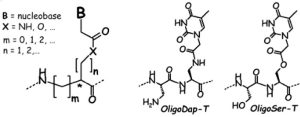
Figure 1. Generic nucleopeptide structure composed of a (α-, β-, γ-, etc.)peptide backbone on which nucleobases are anchored through suitable linkers, and two examples of nucleopeptides based on L-diaminopropanoic acid and L-serine backbones.
References:
D. Musumeci, V. Roviello, G. N. Roviello,* DNA- and RNA-binding ability of oligoDapT, a nucleobase-decorated peptide, for biomedical applications. Int J Nanomedicine 2018, 13, 2613.
C. Riccardi, D. Capasso, A. Coppola, C. Platella, D. Montesarchio, S. Di Gaetano, G. N. Roviello, D. Musumeci,* Synthesis, Antiproliferative Activity, and DNA Binding Studies of Nucleoamino Acid-Containing Pt(II) Complexes. Pharmaceuticals (Basel) 2020, 13, 284.
P. L. Scognamiglio, C. Platella, E. Napolitano, D. Musumeci, G. N. Roviello,* From Prebiotic Chemistry to Supramolecular Biomedical Materials: Exploring the Properties of Self-Assembling Nucleobase-Containing Peptides. Molecules 2021, 26, 3558.
G. N. Roviello,* D. Musumeci, E. M. Bucci, C. Pedone, Evidences for supramolecular organization of nucleopeptides: synthesis, spectroscopic and biological studies of a novel dithymine L-serine tetrapeptide. Molecular bioSystems 2011, 7, 1073.
P. L. Scognamiglio, C. Riccardi, R. Palumbo, T. Gale, D. Musumeci,* G. N. Roviello,* Self-assembly of thyminyl L-tryptophanamide (TrpT) building blocks for the potential development of drug delivery nanosystems. J Nanostruct Chem 2024, 14, 335-353.
C. Platella, C. Riccardi, E. Napolitano, A. Accardo, C. L. Esposito, O. Tarallo, D. Montesarchio, G. N. Roviello, and D. Musumeci,* Thymine-functionalized aromatic amino acids and dipeptides: self-assembled nanostructures for drug encapsulation and metal coordination. Lagmuir, under review.
Krishna Ganesh – SERB National Science Chair
Janus Peptide Nucleic Acids for Multiple Gene Silencing and Inhibition of pre-micro-RNA
Peptide Nucleic Acids (PNA) are DNA analogues with nucleobases linked to pseudopeptide backbone instead of sugar-phosphate backbone and show sequence specific binding to complementary DNA and RNA with high affinity. We have developed “Janus PNAs” (I-III) that carry two nucleobases in each PNA monomer, leading to two different sequences on two faces of Janus PNA. It is shown that such Janus PNAs can concurrently bind two different DNA/RNA sequences that enable them to target two different genes. We show the potential of “Janus” PNAs to form programmable assemblies of double duplex (IV), triplex of duplex and tetra duplex of tetraplex, with complementary DNA and RNA, giving polyplexes.
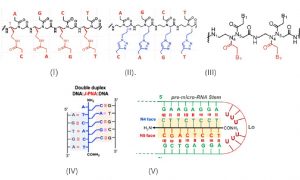
Inhibition of micro RNAs directly using small molecules, antagomirs, LNA, mRNA sponges and small molecules are effective in addressing cancers, cardiovascular diseases, and neurological disorders. In an alternative approach, it is shown that Janus PNA can inhibit pre-micro RNA (pre-miRNA) that have hairpin conformation, by binding effectively to both sides in the stem region (V) adjacent to the loops. Such binding inhibits the maturation processing of oncogenic miRNAs (oncomiRs). This also minimises the off target effects seen with single stranded antisense ODNs.
References:
M. K. Gupta, B. R. Madhanagopal, D. Datta, K. N. Ganesh, Org. Lett. 2020, 22, 5255−5260
P. Bhingardeve, B. R. Madhanagopal, K. N. Ganesh, J. Org. Chem. 2020, 85, 13680−13693.
M. K. Gupta, B. R. Madhanagopal, K. N. Ganesh J. Org. Chem. 2021, 86, 414−428.
P. Bhingardeve, P. Jain, K. N. Ganesh, ACS Omega, 2021, 6, 19757−19770.
I. A. Todkari, M. K. Gupta K. N. Ganesh, Chem. Commun. 2022, 58, 4083-4086.
I. A. Todkari, P. Chaudhary, M. J. Kulkarni and Krishna N. Ganesh, Org. Biomol. Chem. 2024, 22, 6810.
S. H. More, M. Schmutz, L. Jierry and K. N. Ganesh, Biomater. Sci., 2025, 13, 261
Posters
Short Presentations & Posters
1. SHORT PRESENTATION
Negin Gooran, Department of Chemistry, University of Turku, Turku, Finland
Label-free peptide-based tools for oligonucleotide detection
Negin Gooran1, Yeongju Lee2, Frank Hernandez3, Harri Härmä1, Kari Kopra1
1. Department of Chemistry, University of Turku, Turku, Finland
2. Department of Chemistry, Pusan National University, Busan, South Korea
3. Department of Physics, Chemistry, and Biology (IFM), Linköping University, Linköping, Sweden
Detection of oligonucleotides and nuclease activity are critical for drug screening and molecular diagnostics. Traditional methods have low sensitivity (UV absorbance), poor suitability for short oligonucleotides (fluorescence-based methods), or are specific for DNA/RNA (Qubit™). I introduce two novel techniques: NucleoProbe and Peptide-Probe. NucleoProbe is based on the use of protein-derived positive modular, producing a measurable time-resolved luminescent (TRL)-signal in the absence of oligonucleotide, which is efficiently decreased upon addition of the oligonucleotide. Peptide-Probe is based on peptide, producing measurable TRL-signals in the presence of oligonucleotides and a low TRL-signal in the absence of oligonucleotides. These methods are label-free and sequence-independent. Compared to commercial fluorescence-based nuclease activity kits, NucleoProbe shows significantly higher sensitivity and suitability for both endo- and exonucleases. It was also shown to enable Staphylococcus aureus identification utilizing its specific nuclease activity (micrococcal nuclease) with the engineered substrate oligonucleotide. Peptide-Probe enables a rapid and sensitive analysis of oligonucleotide stability in human-serum, crucial information for therapeutic oligonucleotide development. In comparison to traditional gel electrophoresis, Peptide-Probe requires seven times less material, reduces assay time to a quarter, and increases the throughput. These features enable broad applicability of the NucleoProbe and Peptide-Probe, for example, in diagnostics, drug screening, and therapeutic oligonucleotide development.
2. SHORT PRESENTATION
Beatrice Trucchi, Flamma Group
Future perspective in Nucleosidic phosphoramidites: an optimized approach in their synthesis, quality evaluation and impurities characterization
Y. Duan, B. Trucchi, Y. Feng, M. Verzini, G. Cattaneo,
M. Bianchi, F. Della Negra
Flamma R&D Department
In the last 20 years numerous oligonucleotide-based drugs have been launched on the world market for the treatment of different diseases especially related to gene expressions such as viral infections, inflammatory disorders, and a variety of cancers (1, 2).
Clinical oligonucleotides are currently produced by solid-phase synthesis using phosphoramidites, modified and unmodified, as key raw materials (3, 4). Nevertheless, the increasing volume of oligonucleotides has recently prompted the scientific community to find some alternative technologies, such as Liquid-phase oligonucleotide synthesis – LPOS – which represents a more scalable and potentially sustainable option to Solid-phase oligonucleotides synthesis – SPOS (5, 6).
The key reagents of both approaches are phosphoramidites, whose impurities need to be strictly kept under control in consideration of the tighter specifications of oligonucleotides.7
Whatever approach selected for oligonucleotides synthesis, the large-scale synthesis of high quality phosphoramidites is still challenging for different reasons, ranging from difficulties to control the critical parameters for impurities formation to the difficulties in developing a safety and scalable process free from tedious work-up and chromatography separations. Moreover, the more innovative oligonucleotides rely on the introduction of non-common phosphoramidites that involves the application of a wider range of chemical approaches for their synthesis.
Due to the complex structure of oligonucleotides, quality assessment is difficult, prompting regulators to enforce strict standards on raw materials like phosphoramidites, which require well-defined, robust production processes, studied by DoE approach, and a deep investigation of impurities identification through sophisticated LC-MS analyses.
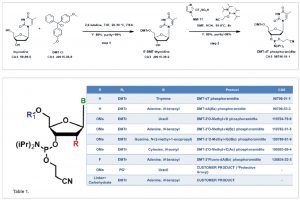
This approach has been applied to the synthesis of a pool of candidates selected based on their consistent presence in many oligonucleotides and customer demand (Table 1).
The described process involves the phosphitylation reaction of protected or not-protected nucleoside with one of the main and the most stable phosphorodiamidite for industrial synthesis- 2-cyanoethyl N,N,N’,N’-tetraisopropylphosphorodiamidite- under the catalytic action of a weak acid (1-methylimidazole Triflate). As a case study, the optimization of the reactivity conditions of the first selected target will be described (Scheme 1).
References
Ravi Gukathasan et al., J. Org. Chem. (2005), 690 (10): 2603
Seong Jun Jo et al., Int. J. Mol. Sci. (2023), 24 (1): 746
Alexander F. Sandahl et al., Nature Communications, (2021), 12 (1): 2760
YOGESH S. SANGHVI et al., Chemistry Today, (2014), 32, 10-15
Ronan Kelly at al., Org. Proc. Res. Dev., (2025), 29, 1577-1599
Piers R. J. Gaffney, Org. Process Res. Dev., (2026), 30, 1, 98–120
Draft guideline on the development and manufacture of oligonucleotides, EMA/CHMP/CVMP/QWP/262313/202424, last review 31/01/2025
3. SHORT PRESENTATION
Johanne Mbianda, GenScript
Expanding Bioconjugation Chemistry for the Manufacturing of AntibodyOligonucleotide Conjugates
Jacob Guo, Jianpeng Wang, Hong Li
Antibody–oligonucleotide conjugates (AOCs) are macromolecules in which oligonucleotides are covalently linked to an antibody. Conjugation to an antibody enables AOCs to bind specific targets with high precision, supporting applications such as sensitive detection and targeted delivery.
One of the earliest applications of AOCs is immune PCR, which enables detection of analytes in the subpg/mL range and improves the sensitivity of conventional ELISA by 100–1000 fold. More recently, AOCs have been applied to extrahepatic delivery of nucleic acid drugs. Biotech companies such as Avidity, Dyne, and Denali have leveraged antibodybased delivery strategies and achieved promising clinical outcomes. Notably, AOC1001, an antibody–siRNA conjugate, has become the first AOC drug candidate to enter Phase III clinical trials.
This poster highlights GenScript’s expanded bioconjugation chemistry solutions for antibody–oligonucleotide conjugate manufacturing, enabling reliable, scalable, and highquality AOC generation to support both research and clinical development.
Other Posters
4. Smart catalytic peptidyl oligonucleotide conjugates for selective inhibition of oncogenic microRNA-155 in triple negative breast cancer
Walaa Aburayan, Faculty of Biology, Medicine and Health, School of Health Sciences, University of Manchester, Oxford Road, Manchester M13 9PT, United Kingdom
Advanced Diagnostics and Therapeutics Institute, Health Sector, King Abdulaziz City for Science and Technology, Riyadh, Saudi Arabia
5. Versatile NQuencher and GalNAc Reagents for the Design of Modified and Targeted Oligonucleotides
Jean-Christophe Truffert1, Nicolas Chopin1, Sébastien Picard1, Florent Bodinier1, Tirtsa Kleinmann 2
1. Nucleosyn
2. Bio-Lab ltd
6. Continuous Chromatography to Increase Throughput and Sustainability for Purification of Synthetic Oligos
Giulio Lievore, ChromaCon AG (YMC ChromaCon AG)
Co-Authors: Thomas Müller-Späth, Sebastian Vogg, Lars Aumann, Richard Weldon
7. Purification of siRNA using reverse phase and anion exchange chromatography resins
Samual MacDonald, Michael Ostrander, Damon Schneider, Hadi Fares, Ajay Kumar Singh, Dupont
PEPTIDES
1. Short presentation
Michela Pesenti, University of Milan
Morpholino Nucleo-β-Amino Acids for the Solid-Phase Synthesis of Functional Protein-Targeting Nucleo-Peptides
Michela Pesenti, Enrico Mario Alessandro Fassi, Kaliroi Peqini, Giulia Castiglioni, Marco Albani, Giovanni Grazioso, Sara Pellegrino
University of Milan, Department of pharmaceutical sciences
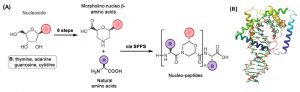
The design and synthesis of nucleic acid analogues has rapidly evolved into a dynamic area of research, driven by their broad potential in chemical biology and gene therapy. In this context, nucleo-peptides represent a particularly versatile class of compounds, offering an alternative to conventional oligonucleotides, peptide-nucleic acids (PNAs), and phosphorodiamidate morpholino oligomers (PMOs). They present several advantages, e.g. greater synthetic flexibility and stability, but the main one lies in the ability to integrate nucleic acid recognition with peptide-like properties within a single molecular framework (1). Recently in our lab, we developed morpholino nucleo-β-amino acids as innovative building blocks for nucleo-peptides synthesis (2). Their distinctive structure, i.e. a morpholine ring fused to a β-amino acid backbone, confers remarkable chemical and conformational stability. Moreover, these systems allow for tunable architectures and side-chain modifications, unveiling new possibilities for targeted molecular interactions and functional versatility.
In this study, we report an improved synthetic approach to morpholino nucleo-β-amino acids, aimed at increasing overall yields and mitigating the poor solubility commonly associated with these compounds. To this end, fully protected nucleosides, namely adenosine, cytidine, guanosine, and thymidine, were employed as starting materials. The formation of the morpholine ring was achieved through the Summerton “one-pot” oxidative ring-opening and reductive amination. The process was carried out on nucleoside derivatives in which the secondary hydroxyl group of sugar moiety was protected as a silyl ether. Additionally, for adenine, guanine, and cytidine-based substrates, the exocyclic amino group was also suitably protected. This strategy enabled efficient ring closure under mild conditions, facilitating the preparation of high-purity monomers. The resulting Fmoc-derivatives of morpholino β-amino acids were then used in a tailored solid-phase peptide synthesis (SPPS) protocol for the preparation of nucleo-peptides specifically designed to interact selectively with HMGB1, a nuclear protein involved in chromatin organization and inflammatory processes (3).
References:
Roviello et al. (2010), Amino Acids, 39(1), 45–57.
Bucci et al. (2020), Scientific Reports, 10(1), 19331.
Ugrinova et al. (2017), Advances in Protein Chemistry and Structural Biology 107:37-76
Financial supported by “National Center for Gene Therapy and Drugs based on RNA Technology”, PNRR MUR – M4C2 – Investimento 1.4, “Potenziamento strutture di ricerca e creazione di “campioni nazionali di R&S” su alcune Key Enabling Technologies”.
2. Short presentation
Marta De Zotti, University of Padova
Overcoming Drug Resistance with Aib-Peptides: Membrane-Active Agents and Stimuli-Responsive Nanosystems for Cancer Therapy
Marta De Zotti, Asya Zerbato, Vincenzo Amendola
Department of Chemical Sciences, University of Padova
Aib (alpha-aminoisobutyric acid) enhances peptide proteolytic stability, as demonstrated by Semaglutide and Tirzepatide (1). As a strong helix-inducer, Aib guides peptide conformation through steric hindrance, creating well-defined helical structures that disrupt phospholipid membrane permeability. This combination of membrane activity and proteolytic resistance makes Aib-peptides promising anticancer agents capable of overcoming drug resistance, though their hydrophobicity has limited exploitation.
We present water-soluble Aib-peptides (2) for oncological applications. These peptides demonstrated comparable cytotoxicity in ovarian cancer and Hodgkin lymphoma cell lines, including cisplatin- and doxorubicin-resistant models and 3D spheroids, at concentrations non-toxic to healthy cells. Membrane-mediated mechanism of action was confirmed.
Additionally, we developed gold nanoparticles (NPs) functionalized with pH-responsive Aib-peptides. Laser-induced photofragmentation reduced NP diameter to 3 nm, enhancing biodistribution while minimizing liver accumulation (3). The functionalization provides colloidal stability and enables reversible aggregation at physiological pH with disaggregation under acidic conditions characteristic of tumor microenvironments.
This behavior enhances intracellular localization and perinuclear migration, increasing therapeutic efficacy. The stability, surface properties, and low cytotoxicity of these Aib-peptide nanosystems position them as promising radiosensitization tools for X-ray radiotherapy.
References:
N.Engl.J.Med. 2025, 393, 26-36.
Int.J.Mol.Sci. 2021, 22, 8362. DOI: 10.3390/ijms22168362.
Mol.Cancer. 2025, 24, 252. DOI: 10.1186/s12943-025-02418-3.
3. Short presentation
Manuel Loos, Ludwig-Maximilians-Universität
DNA mimic foldamers with up to one hundred units: synthesis and recognition of a multi-protein complex
Manuel Loos1, Franciska Därr2, Céline Douat1,Lisa Gourdon-Grünewaldt1, Alberto López-Francos López-Romero2, Karl-Peter Hopfner2, Ivan Huc1
1. Department of Pharmacy, Ludwig-Maximilians-Universität, Munich, Germany
2. Gene Center, Ludwig-Maximilians-Universität, Munich, 81377, Germany
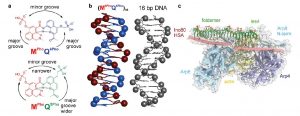
Taking inspiration from the B-DNA topology, we have designed and synthesized aromatic oligoamide DNA mimic foldamers (DMFOs). They are composed of alternating 8-amino-2-quinoline carboxylic acid (Q) and 8aminomethyl-2-quinoline carboxylic acid (M) building blocks, which fold into a single helix in solution (1). Their negatively charged phosphonate or carboxylate side-chain residues are, in turn, arranged in a exo-double-helical array mimicking the charge distribution and shape of B-DNA (2). DNA mimic foldamers were shown to inhibit therapeutically relevant enzymes topoisomerase I (Top1) and HIV integrase (HIV-IN) that bind DNA in a non-sequence-selective manner and to affect chromatin composition and disturb cell cycle progression (1-3).
This poster presents an advancement of their synthesis, by combining Q and M into a dimeric macromonomer. Two different Fmoc-protected dimers, one for each side chain pattern, have been produced and tested for chain elongation on a solid-support utilizing standard peptide conditions.
This has allowed us to synthesize molecules previously inaccessible, rivaling the size of the synthetically available peptides. We demonstrate that DMFOs of this length enable binding of the A-module of the chromatin remodeling complex INO80. A cryo-EM structure of their complex unveiled its binding mode to be alongside Ino80’s HSA domain, albeit in a slightly different orientation than extranucleosomal straight or curved DNA (4) (Figure 1).
References:
K. Ziach, C. Chollet, V. Parissi, P. Prabhakaran, M. Marchivie, V. Corvaglia, P. P. Bose, K. Laxmi-Reddy, F. Godde, J.-M. Schmitter, S. Chaignepain, P. Pourquier and I. Huc, Nat. Chem., 2018, 10, 511-518.
V. Corvaglia, D. Carbajo, P. Prabhakaran, K. Ziach, P. K. Mandal, V. Dos Santos, C. Legeay, R. Vogel, V. Parissi, P. Pourquier and I. Huc, Nucleic Acids Res., 2019, 47, 5511-5521.
V. Kleene, V. Corvaglia, E. Chacin, I. Forne, D. B. Konrad, P. Khosravani, C. Douat, C. F. Kurat, I. Huc and A. Imhof, Nucleic Acids Res, 2023, 51, 9629-9642.
F. Kunert, F. J. Metzner, J. Jung, M. Hopfler, S. Woike, K. Schall, D. Kostrewa, M. Moldt, J.-X. Chen, S. Bantele, B. Pfander, S. Eustermann and K.-P. Hopfner, Sci. Adv., 2022, 8, eadd3189.
OTHER POSTERS
4. The HPLC particle size effects on the purification of GLP 1 receptor agonists
Ingrid Ramm, Marziyeh Ghaeidamini, Fredrik Limé, and Joakim Högblom
Kromasil by Nouryon, Bohus, Sweden
5. Improved Cyclic Peptide Synthesis and Robust Conjugation Techniques for PDC Development
Mina WANG, Yue Fei, Xuan WANG, Zhongshuai Chang, Liuwang Chen, Jianpeng WANG, Hong Li
GenScript Biotech
6. High-Loading Seplife Fmoc-RinkAmide-PS-PEG Resin:
A Robust Solid Support for the Synthesis of Complex Peptides and Tirzepatide
Caroline Tinsley, Sunresin
7. Advanced Particle Engineering for Peptide APIs
Offir Barel, Teva – Tapi
8. Silica-Based Platforms for Sustainable Peptide Manufacturing: From SiPPS to Robust RP Purification
Diego Rodriguez, PhD, SiliCycle from Zeochem Group
9. Synthetic peptides under the New EMA framework: From process to control
Eva Judy, 3D-PharmXchange, Tilburg, The Netherlands
10. In vitro evaluation of the therapeutic potential of two plant-derived hydrolysates for the treatment of osteoarthritis
Nathalie van Walraven3,4, Miryam Amigo-Benavent3, Francisco J Blanco García FJ1,2, Carlos Vaamonde-García1,2
1. Grupo de Investigación en Reumatología (GIR), Instituto de Investigación Biomédica de A Coruña (INIBIC), Complexo Hospitalario Universitario de A Coruña (CHUAC), Spain
2. Grupo de Investigación en Reumatología y Salud (GIR-S), Departamento de Fisioterapia, Medicina y Ciencias Biomédicas, Facultad de Fisioterapia, Centro Interdisciplinar de Química y Biología (CICA), INIBIC-Sergas, Universidade de A Coruña (UDC), Coruña, Spain
3. Department of Biological Sciences, Faculty of Science and Engineering, University of Limerick, Limerick, Ireland
4. Life Science Technologies, OWL University of Applied Sciences and Arts, Lemgo, Germany
11. Advances in Peptide Synthesis Using Green Chemistry and Innovative Process Technologies
Oleg Babii, Eugénie Fournier, Arjun Vijeta, Mohamad-Jamal Wawi, Bernd Henkel, Hélène Adihou – EUROAPI
12. Recombinant expression and in silico characterization of a scorpion-derived ion channel-active peptide
Beatriz de Cássia da Silva Jacob1,4; Henrique Ranieri Covali-Pontes5; Karla de Castro Figueiredo Bordon1,4; Rui Seabra Ferreira Junior2,3,4; Benedito Barraviera2,3,4; Jan Tytgat6; Eliane Candiani Arantes1,4
1. School of Pharmaceutical Sciences of Ribeirão Preto, University of São Paulo, Ribeirão Preto, SP, Brazil
2. Botucatu Medical School, São Paulo State University, Botucatu, SP, Brazil
3. Center for the Study of Venoms and Venomous Animals, São Paulo State University, Botucatu, SP, Brazil
4. Center for Translational Sciences & Biopharmaceuticals Development (CTS-Cevap)
5. Federal University of Mato Grosso of Sul
6. Faculty of Pharmaceutical Sciences, Katholieke Universiteit Leuven (KU Leuven), Leuven, Belgium

The Renaissance and Industrial (r)Evolution of Peptide and Oligonucleo...

Empowering the Full Lifecycle of Drug Development

Europe’s Critical Medicines Act: A Test of Health Sovereignty—and Indu...

The data beneath the disruption: why process maturity and data account...

Linerixibat (Lynavoy)

Science is not enough: the operational disciplines of venture capital...

Industry 5.0-Ready Laboratories: Beyond Automation Towards Human-Centr...
From trial-and-error to predictive intelligence: How bespark*bio is re...